
Never lose that skill: Iain Rowe on AI, Imagination and the Future of Architecture
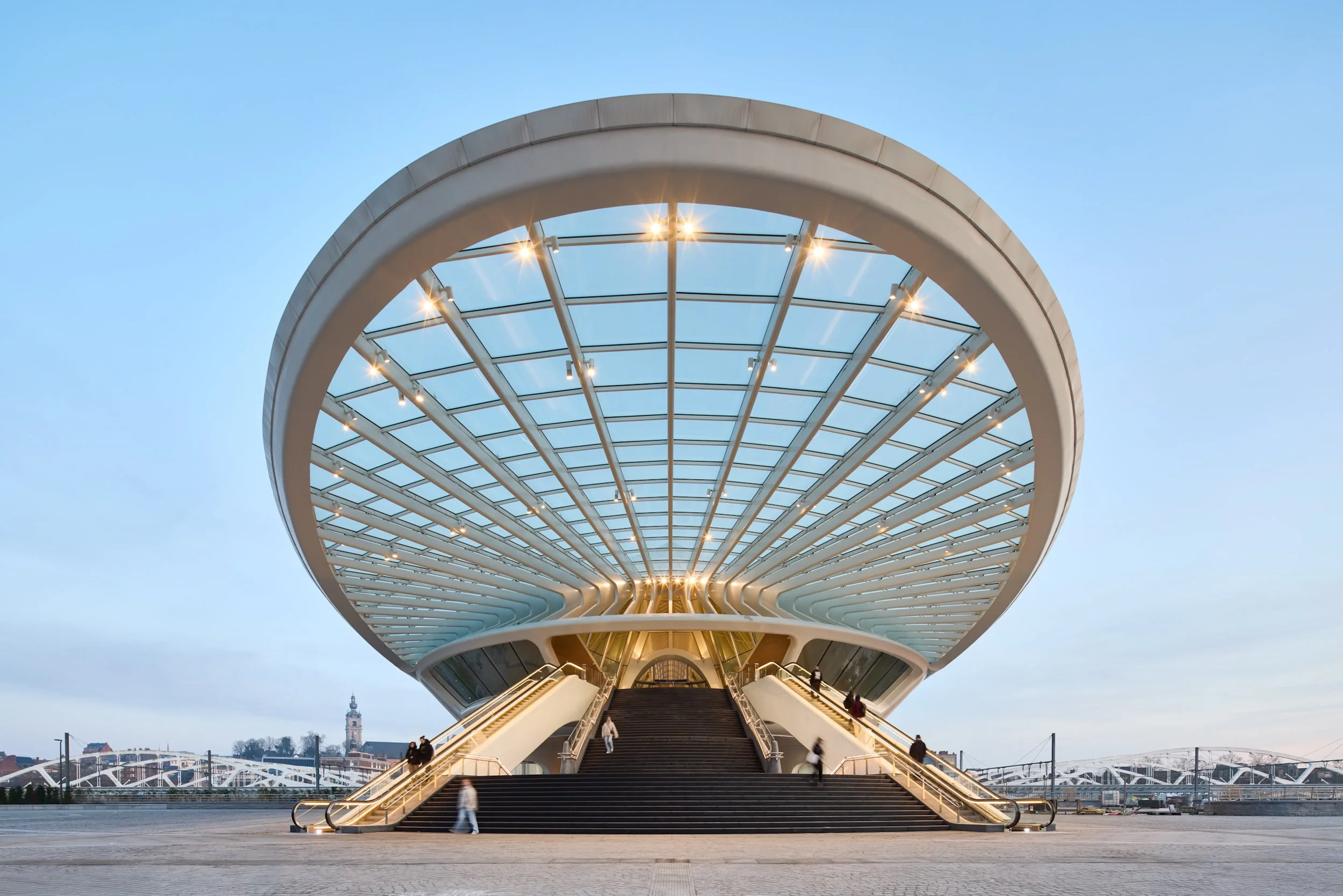
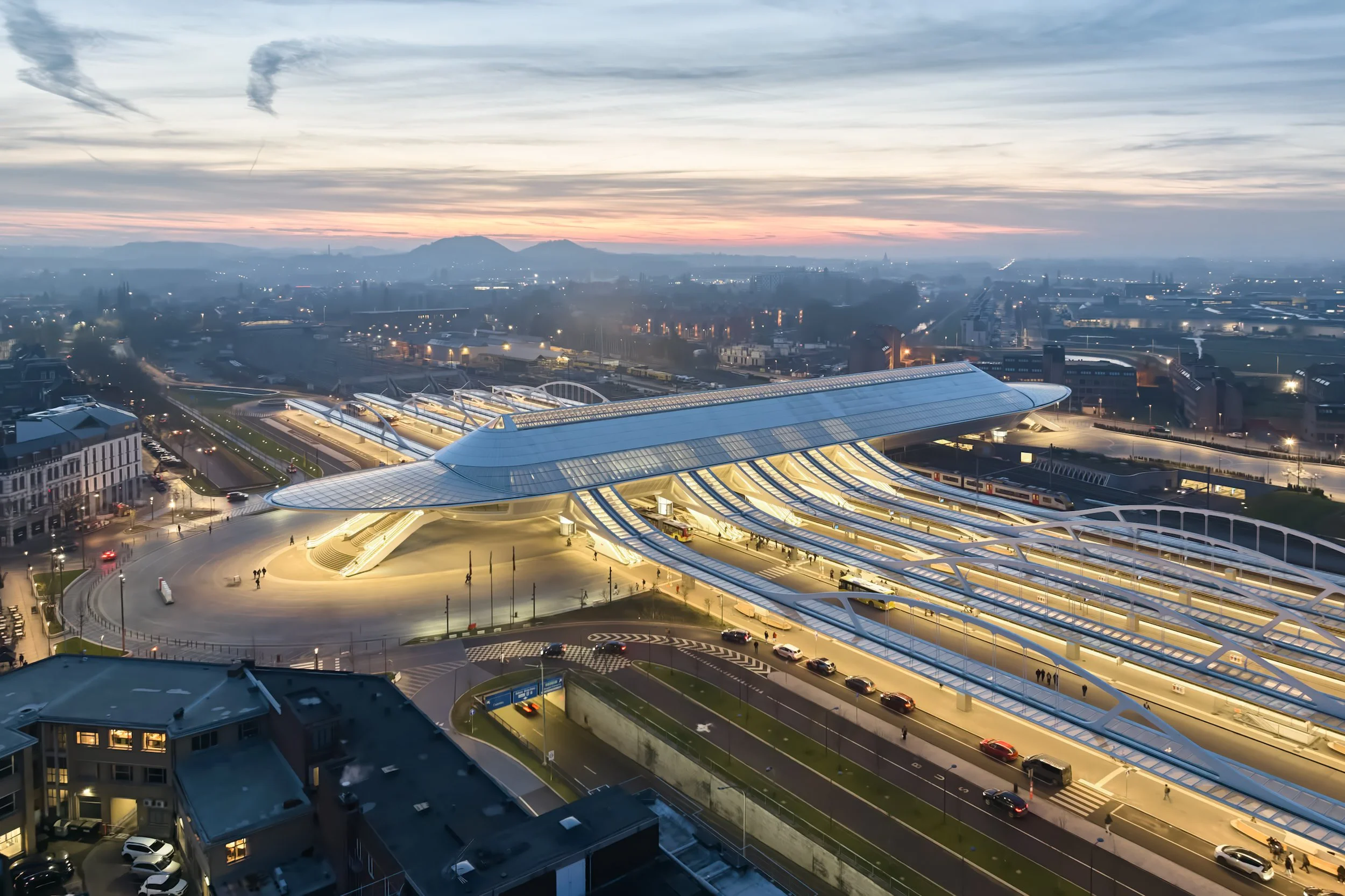
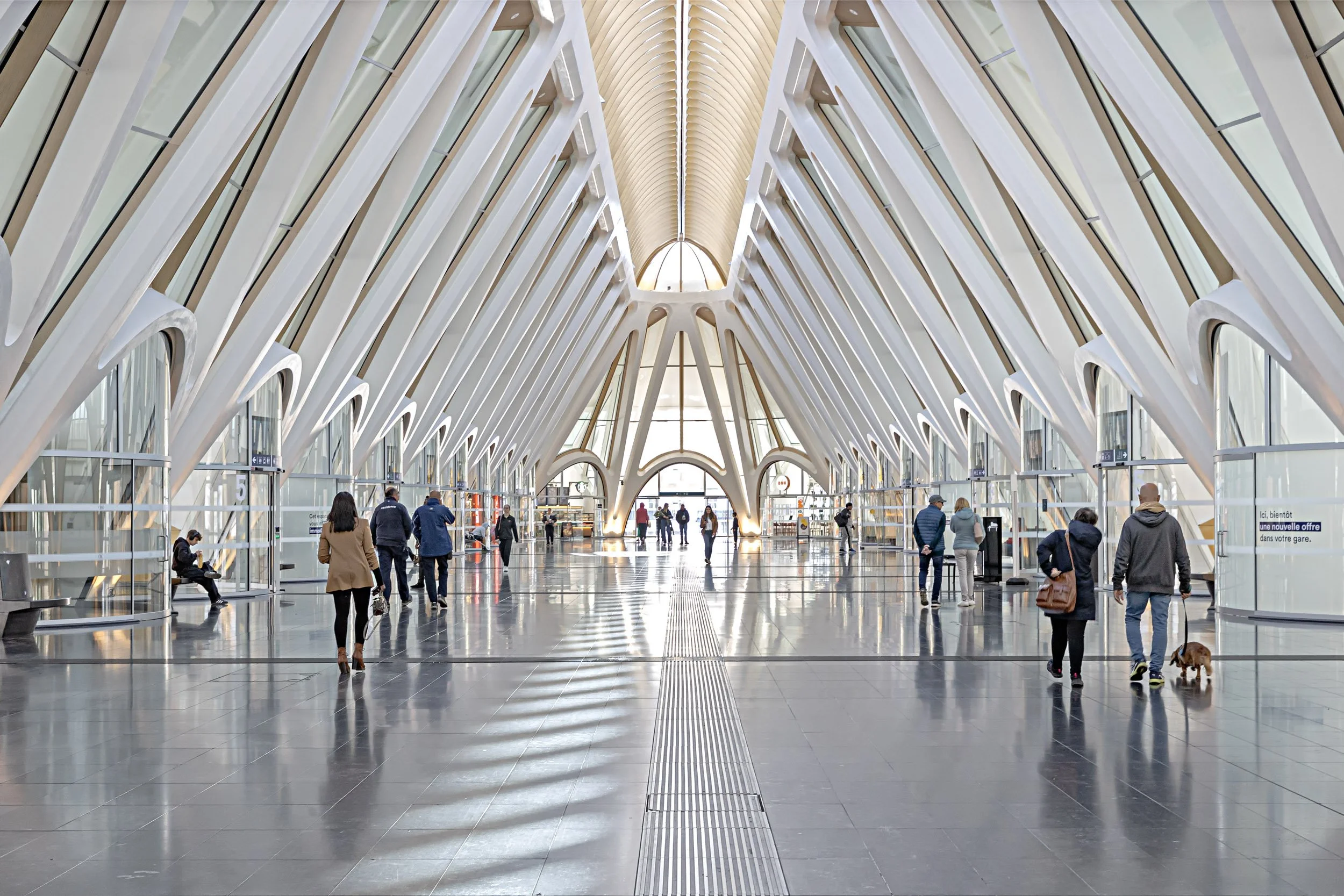
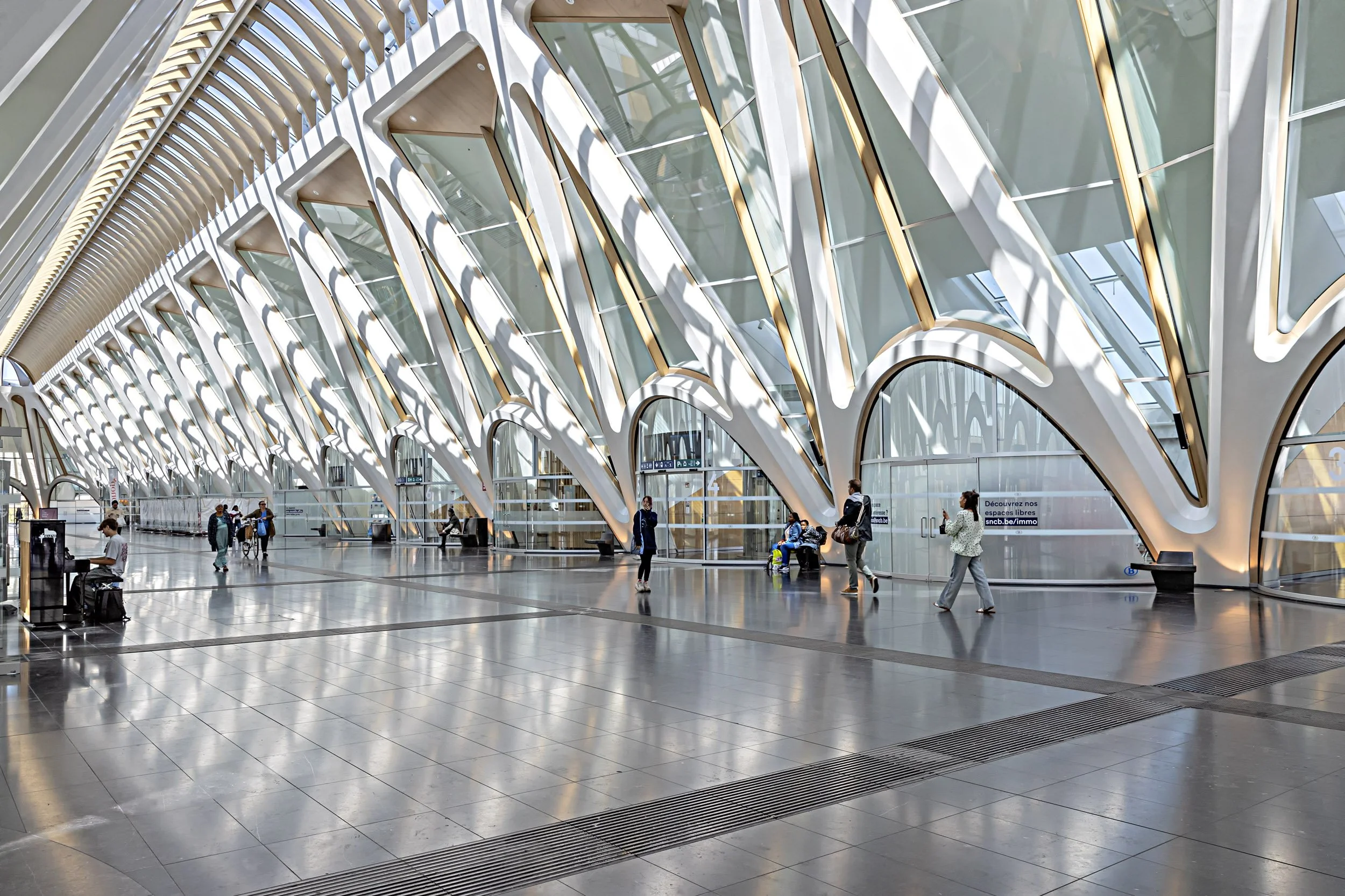
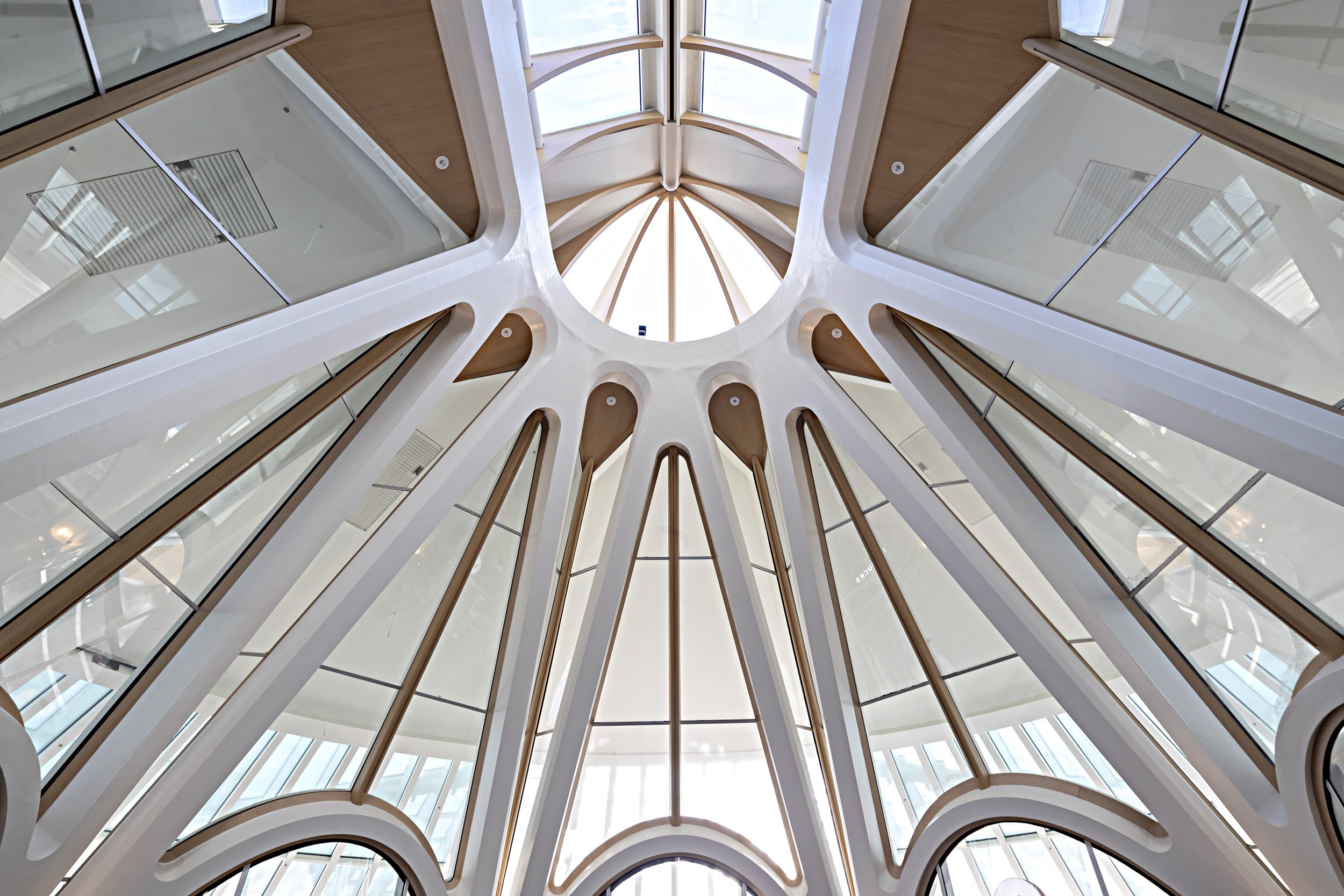
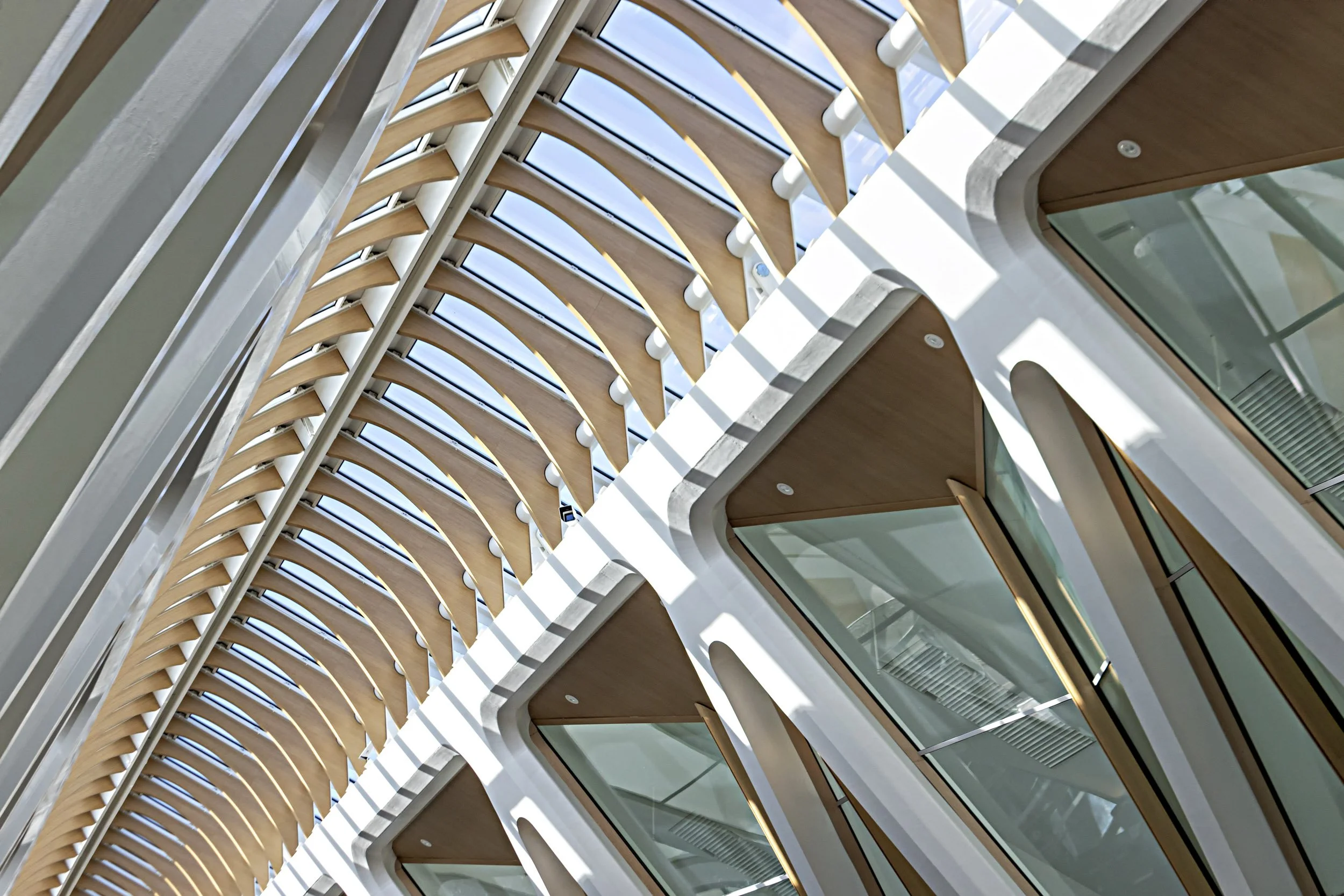
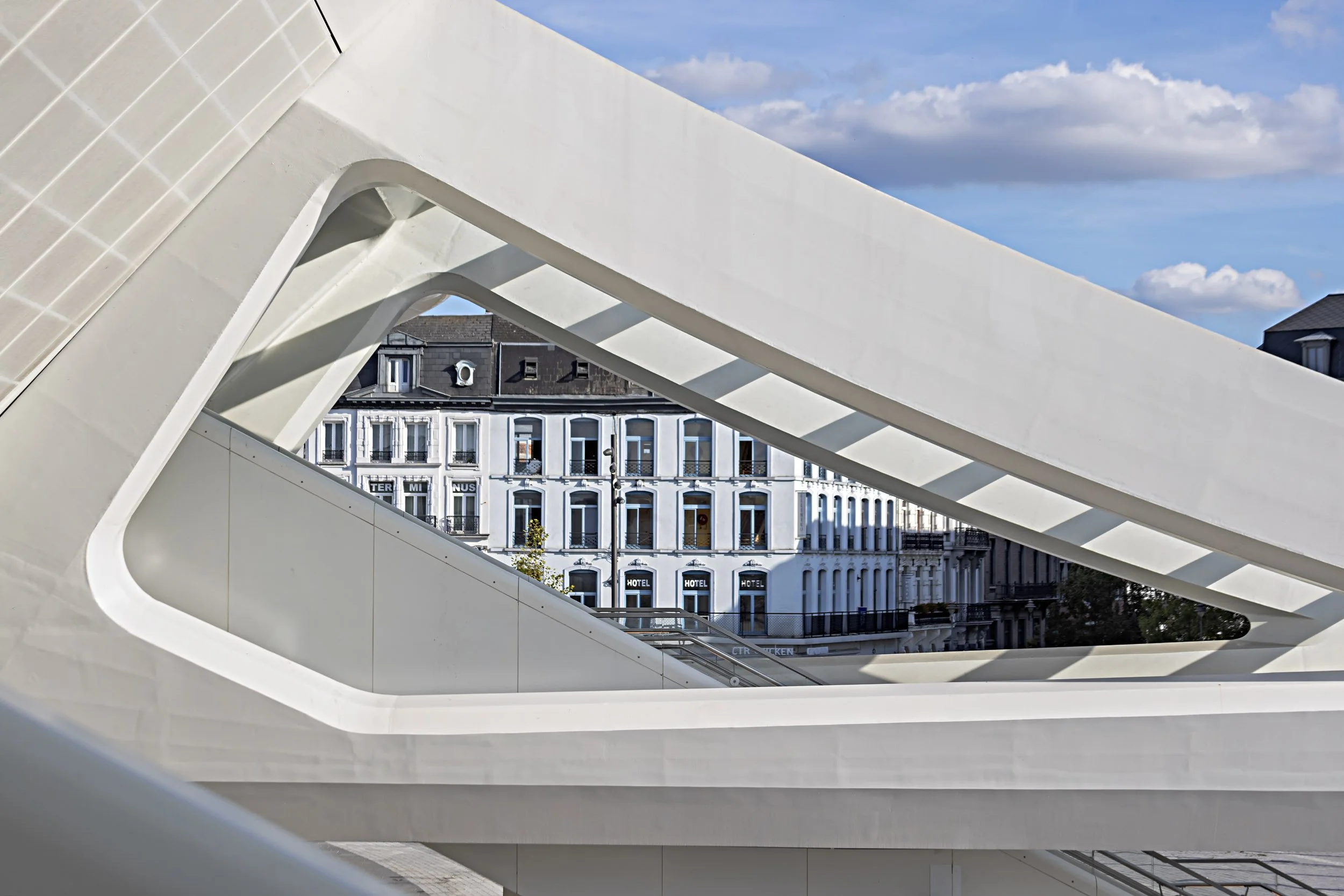
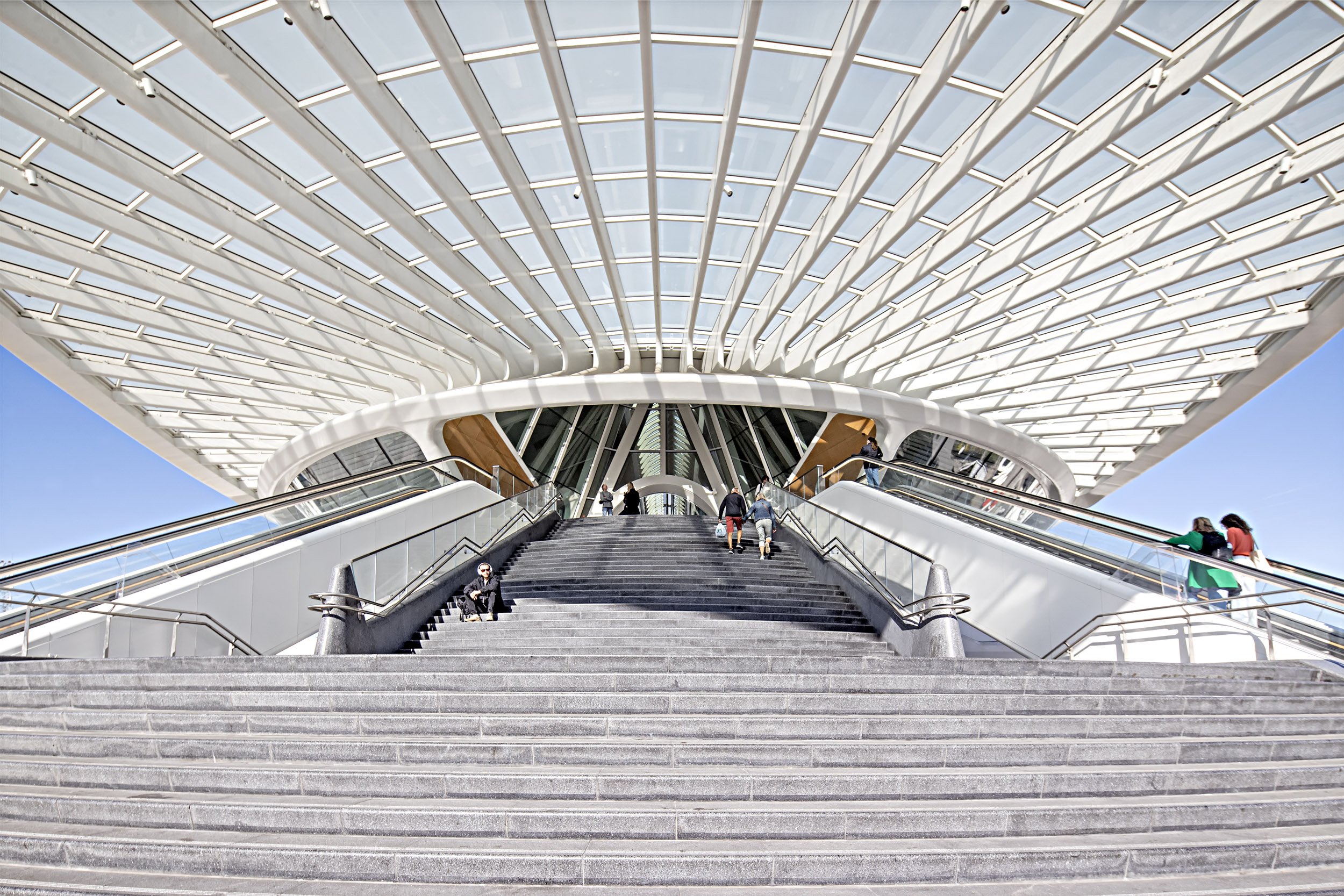
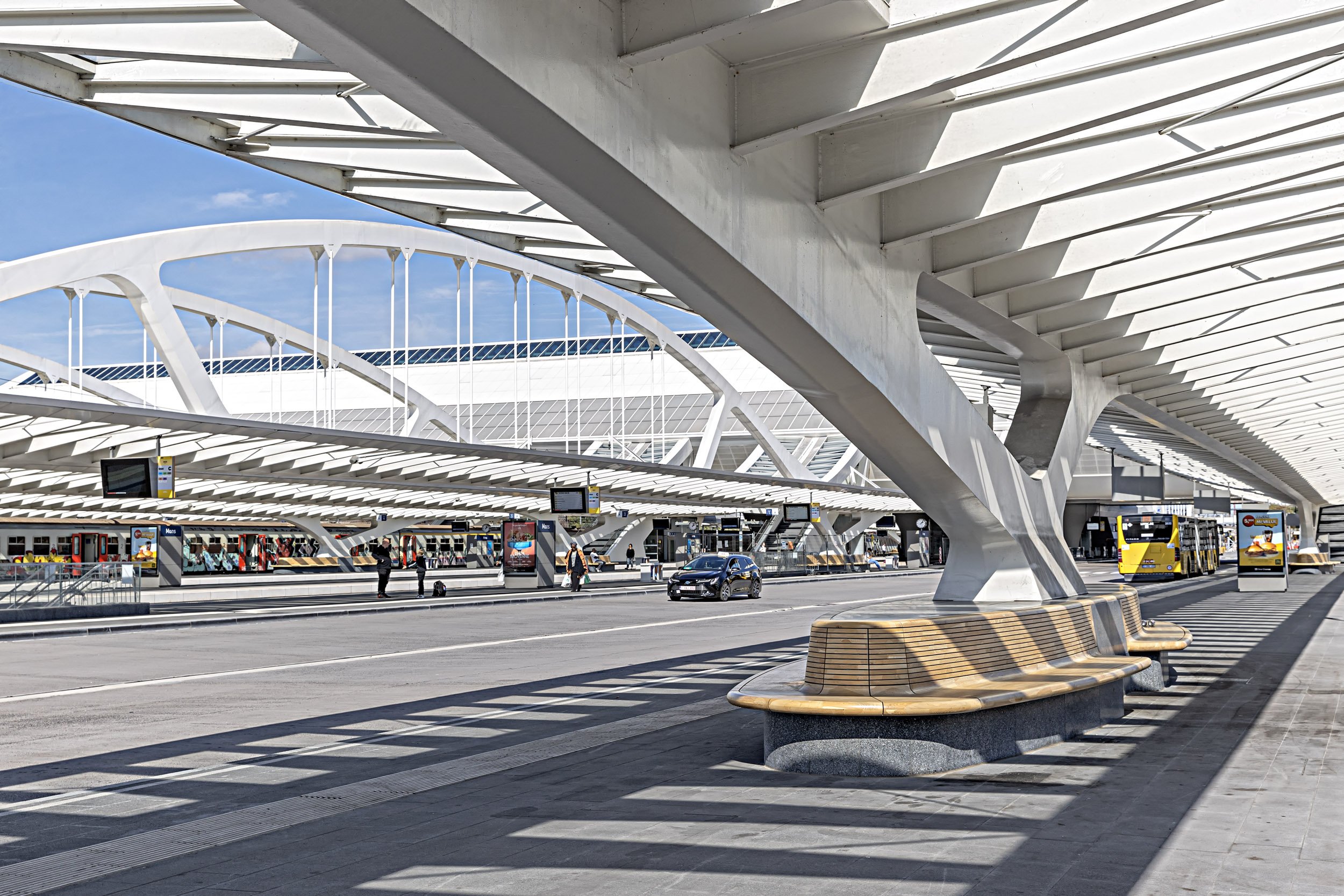
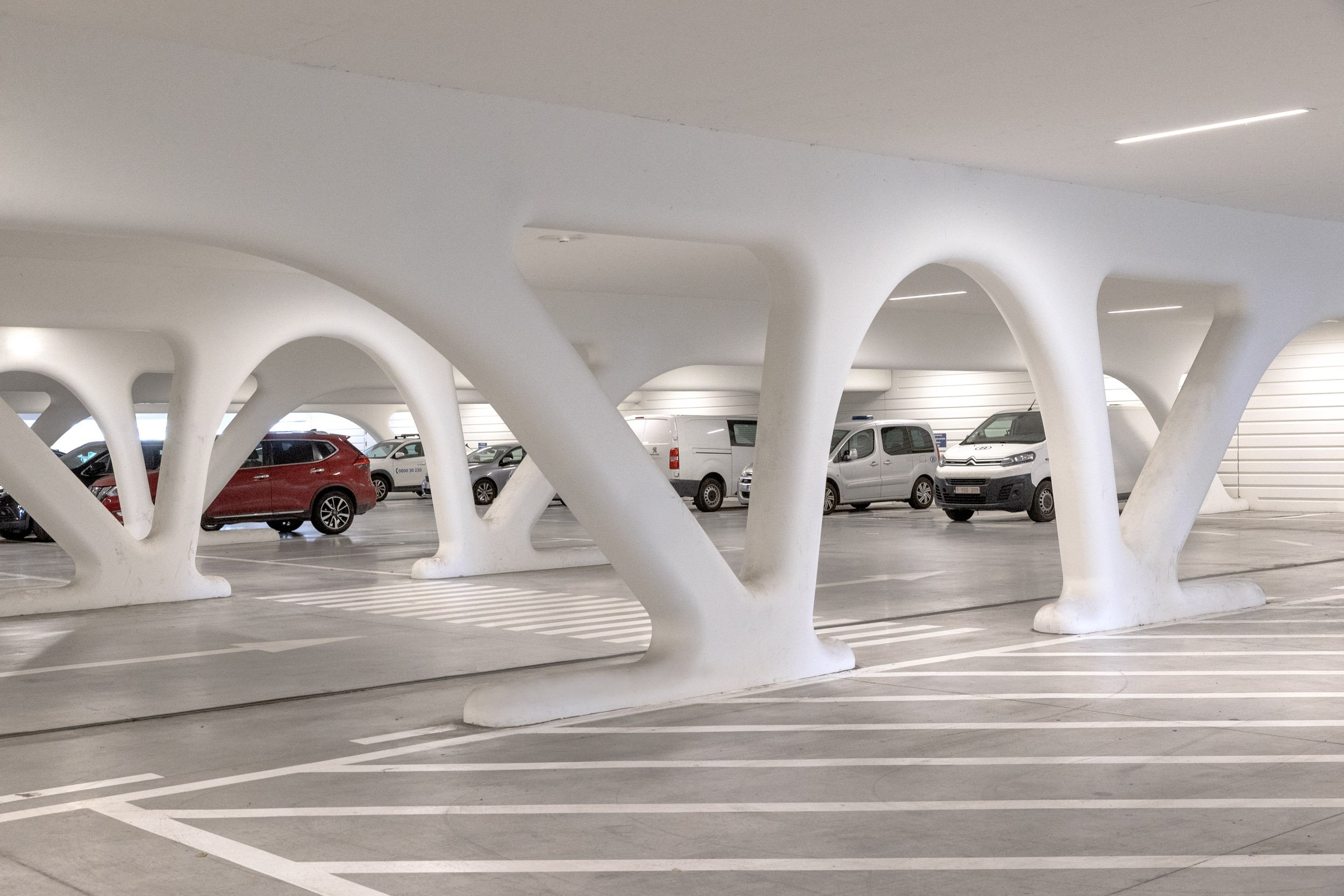
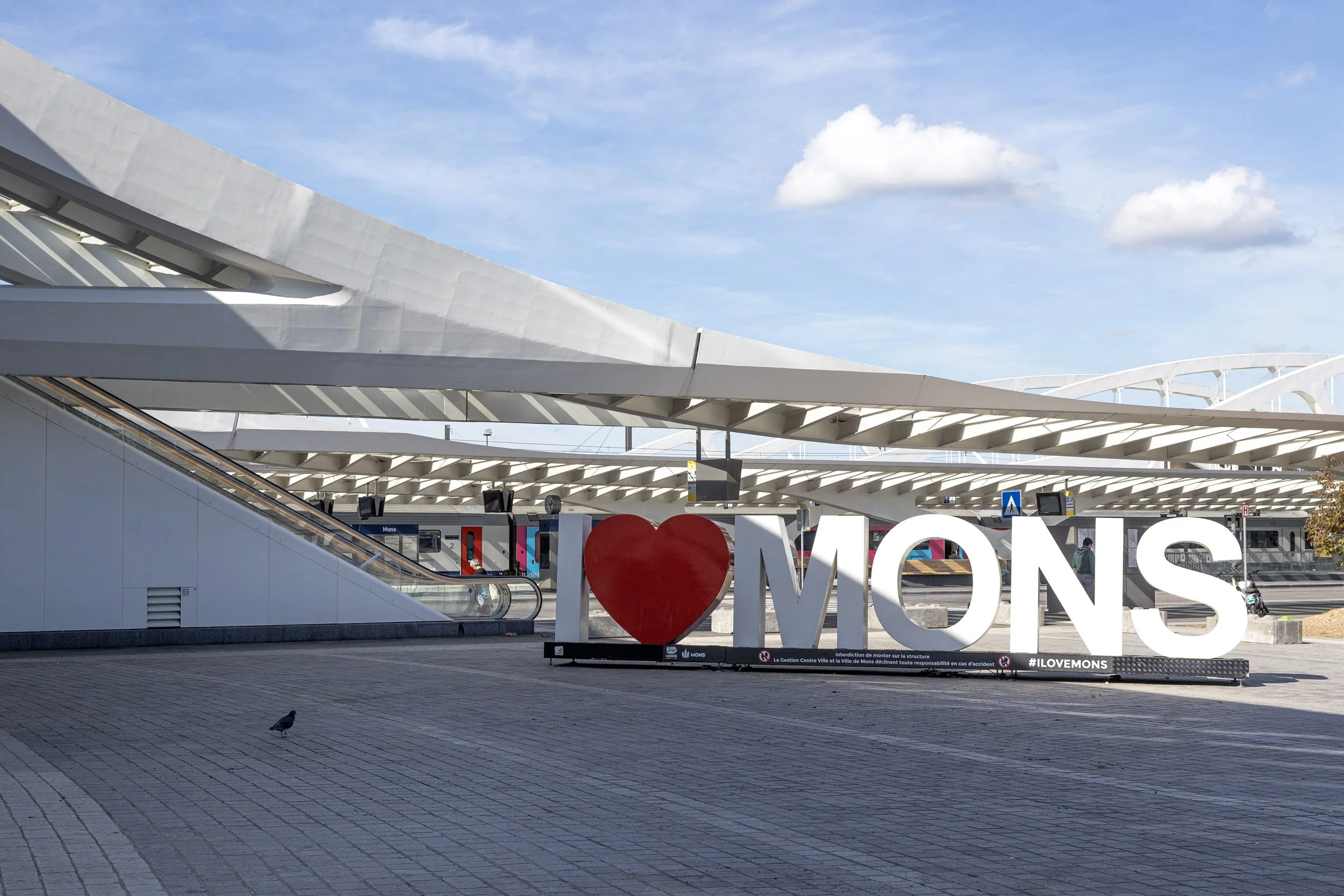
Gare de Mons train station in Belgium – one of Iain’s first projects with Santiago Calatrava
Santiago Calatrava’s other worldly buildings and bridges have inspired would-be artists, architects and engineers for decades. Mirroring the intricacies and geometries of the natural and marine worlds, they appear simultaneously ethereal and futuristic. For any engineer, they represent the professional challenge of a lifetime.

Iain Rowe was one of many young engineers to fall under Calatrava’s spell in the mid-’90s. But he was probably the only one bold enough to simply ring the Zurich studio landline and ask for a job in his ‘best schoolboy German’.
A harried secretary intending to hang up on him put the call through to Calatrava’s Director of Engineering, who after a brief conversation told Iain his skills might be needed on a project in New York.
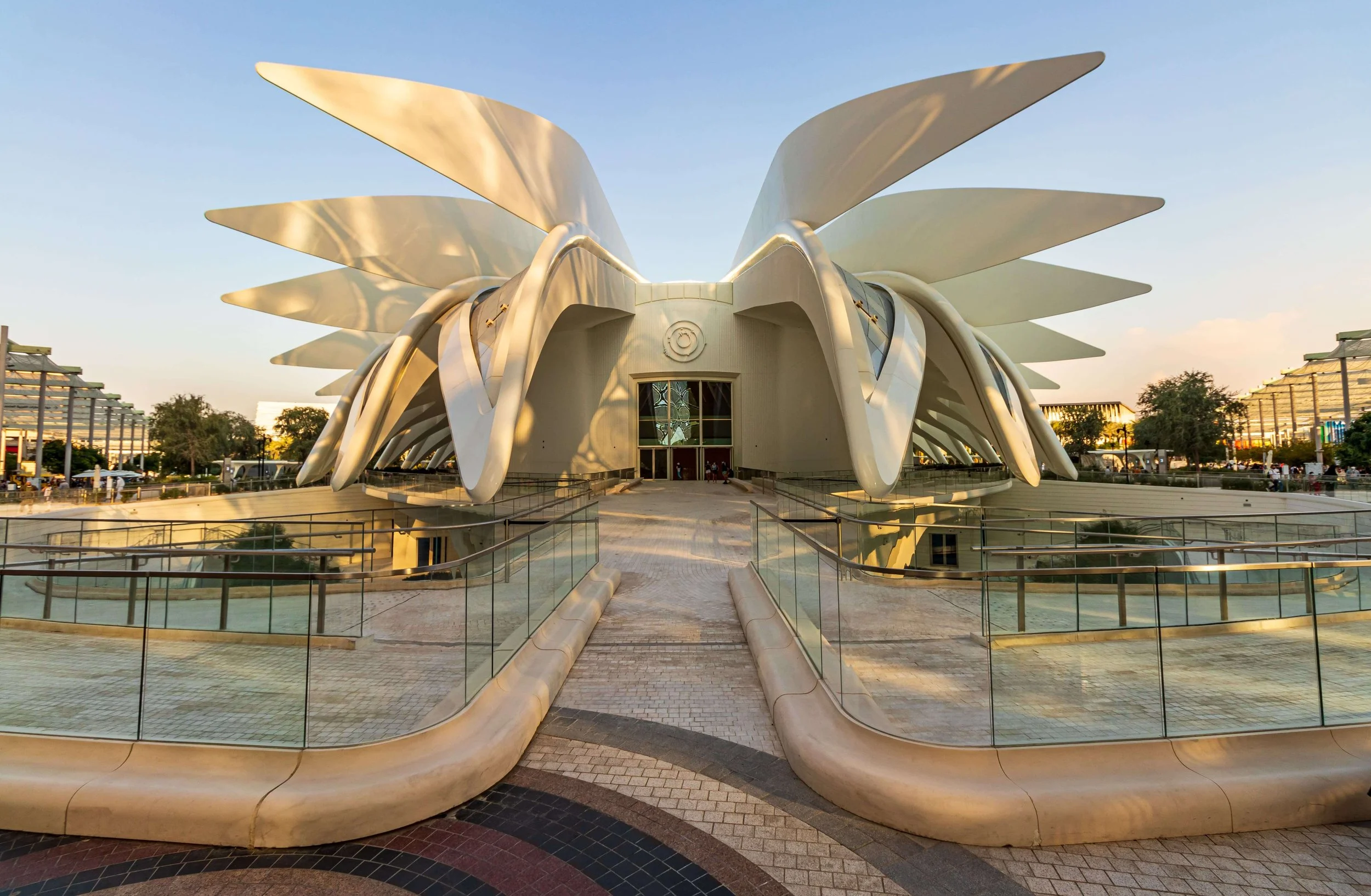
And so began his 16-year stint helping deliver Calatrava’s major civic projects around the world, including the World Trade Center Transportation Hub, Mons Station, the Calgary Peace Bridge and the UAE Pavilion at Expo 2020, among others.
When I happened to meet Iain a couple of months ago in Melbourne, he casually mentioned he’d worked for ‘an architect based in Switzerland’. When I discovered which one, our dinner immediately turned into a long and lively interview.
Occasionally Iain would sketch complex design details or a structure’s origins on the dusty window above our table by way of an answer. A turning torso, a sea shell, the stem of a lily, a falcon in flight. Lofty drawings for a humble Melbourne pub. Extraordinary to me. Just another day in Calatrava’s office for Iain.
Before heading off on his 5am flight back to Zurich, Iain agreed to answer more of my questions about the ways AI is set to change architecture, engineering and the next generation of aspiring Santiago Calatravas. Now working at the centre of AI and automation in Europe’s burgeoning prefab industry himself, who better to ask about the essence of design past, present and future?
Here, he generously shares his thoughts.
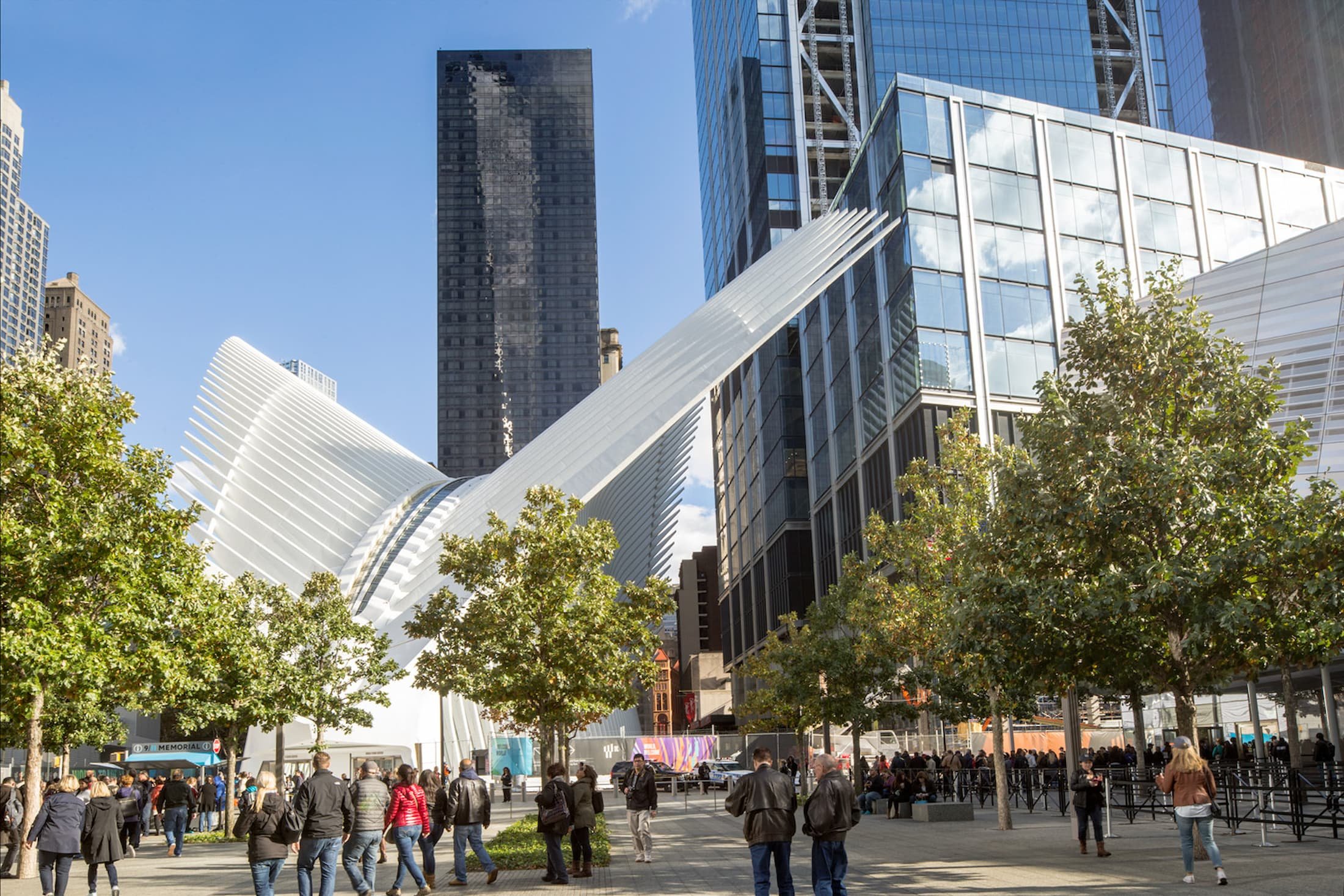
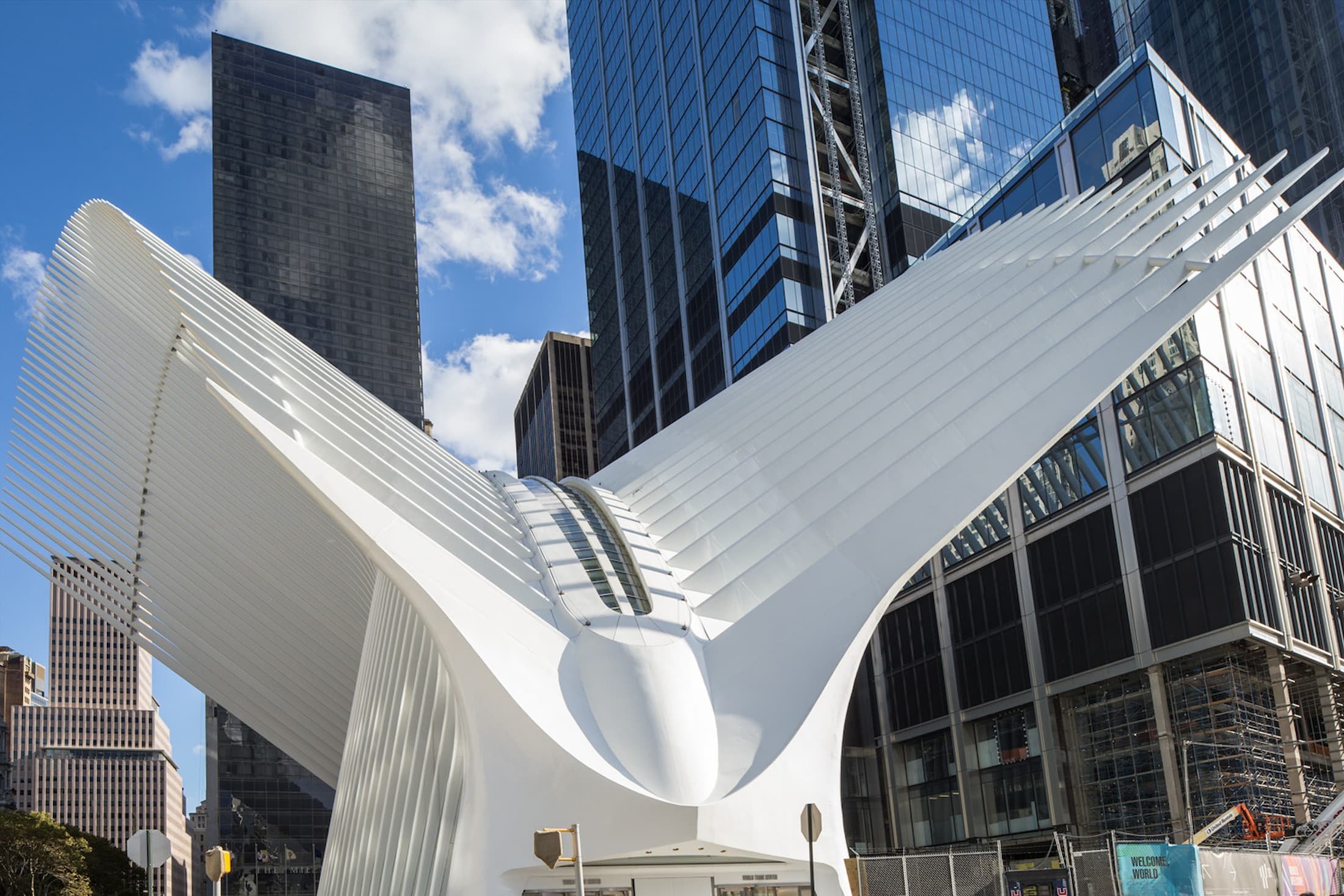
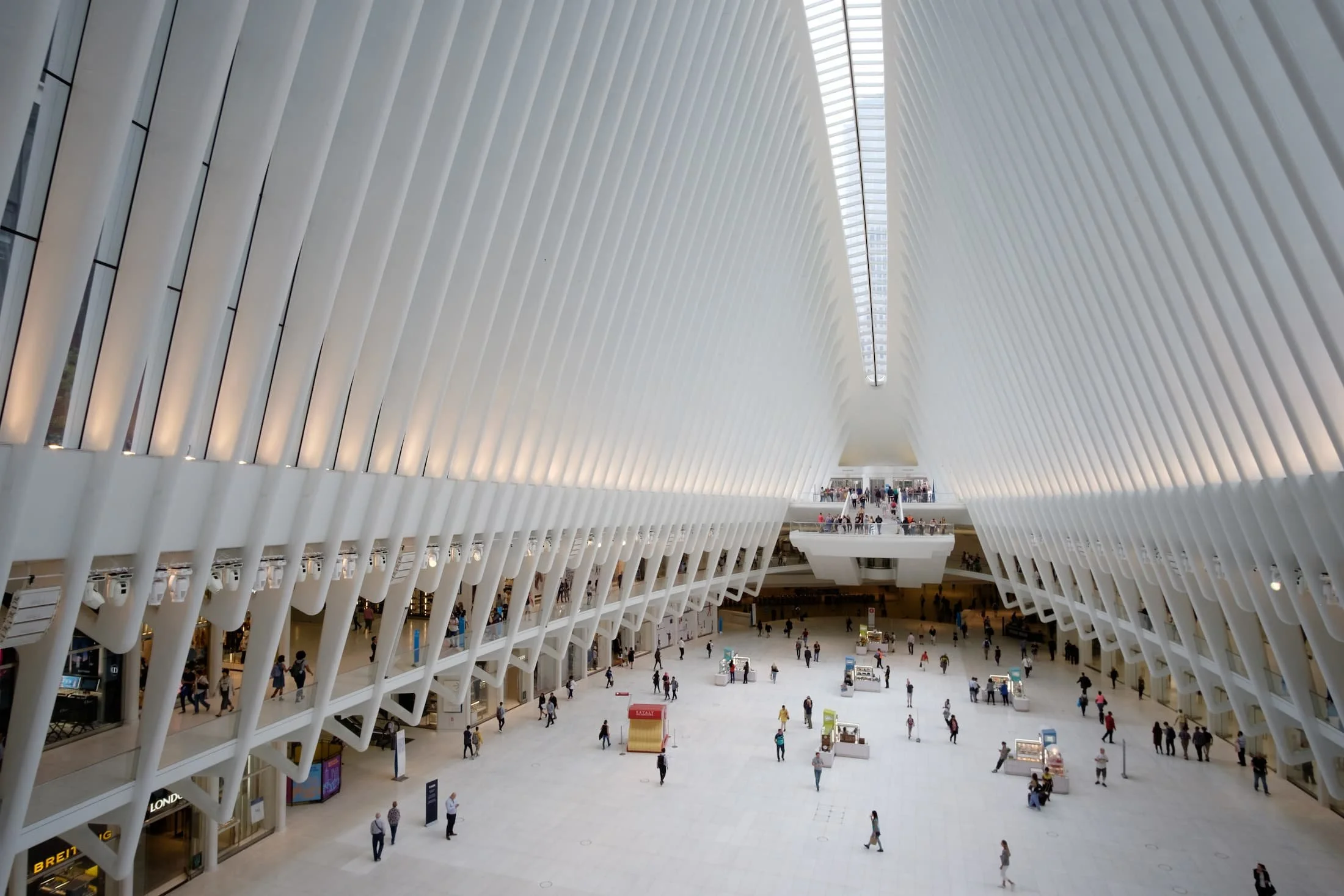
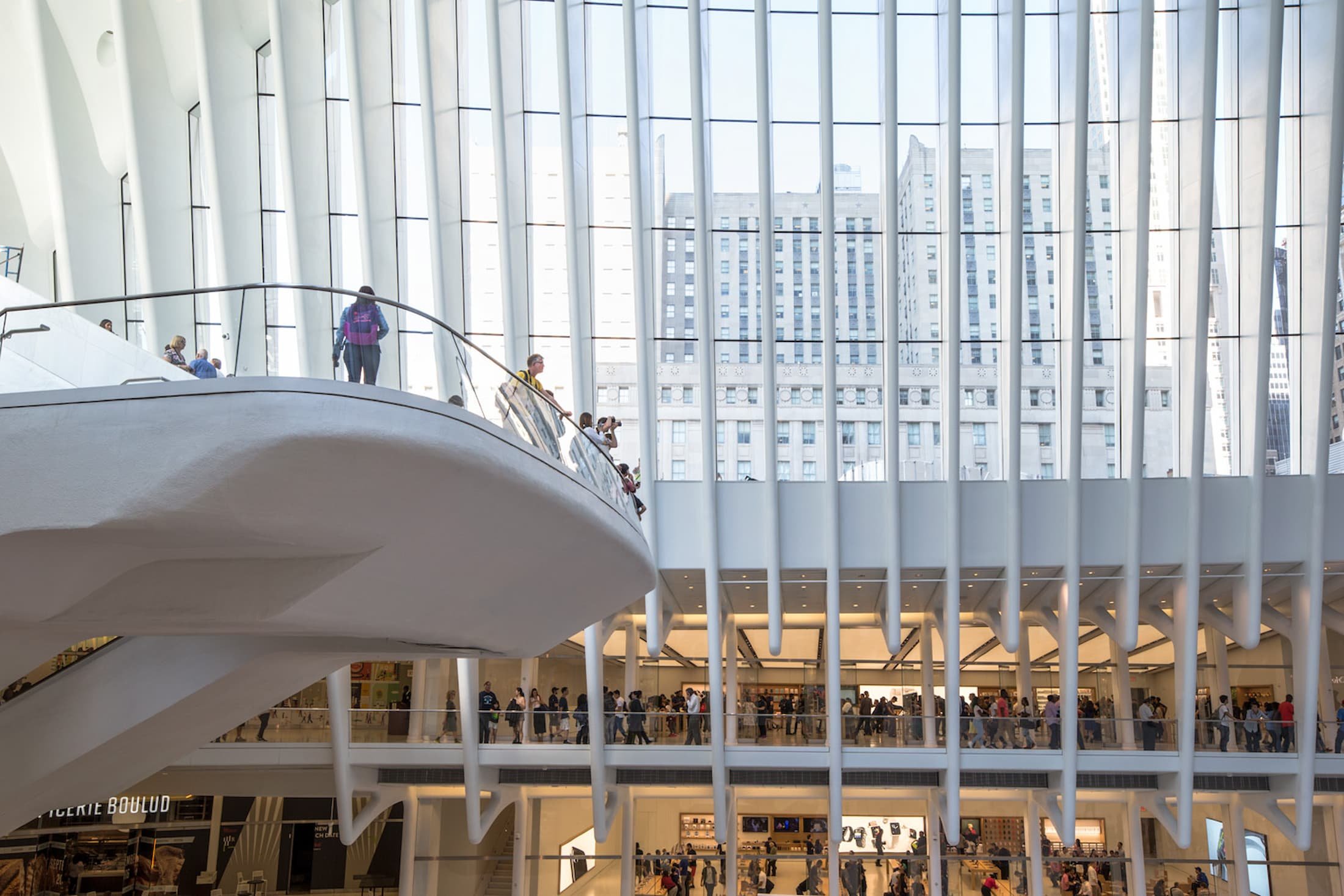


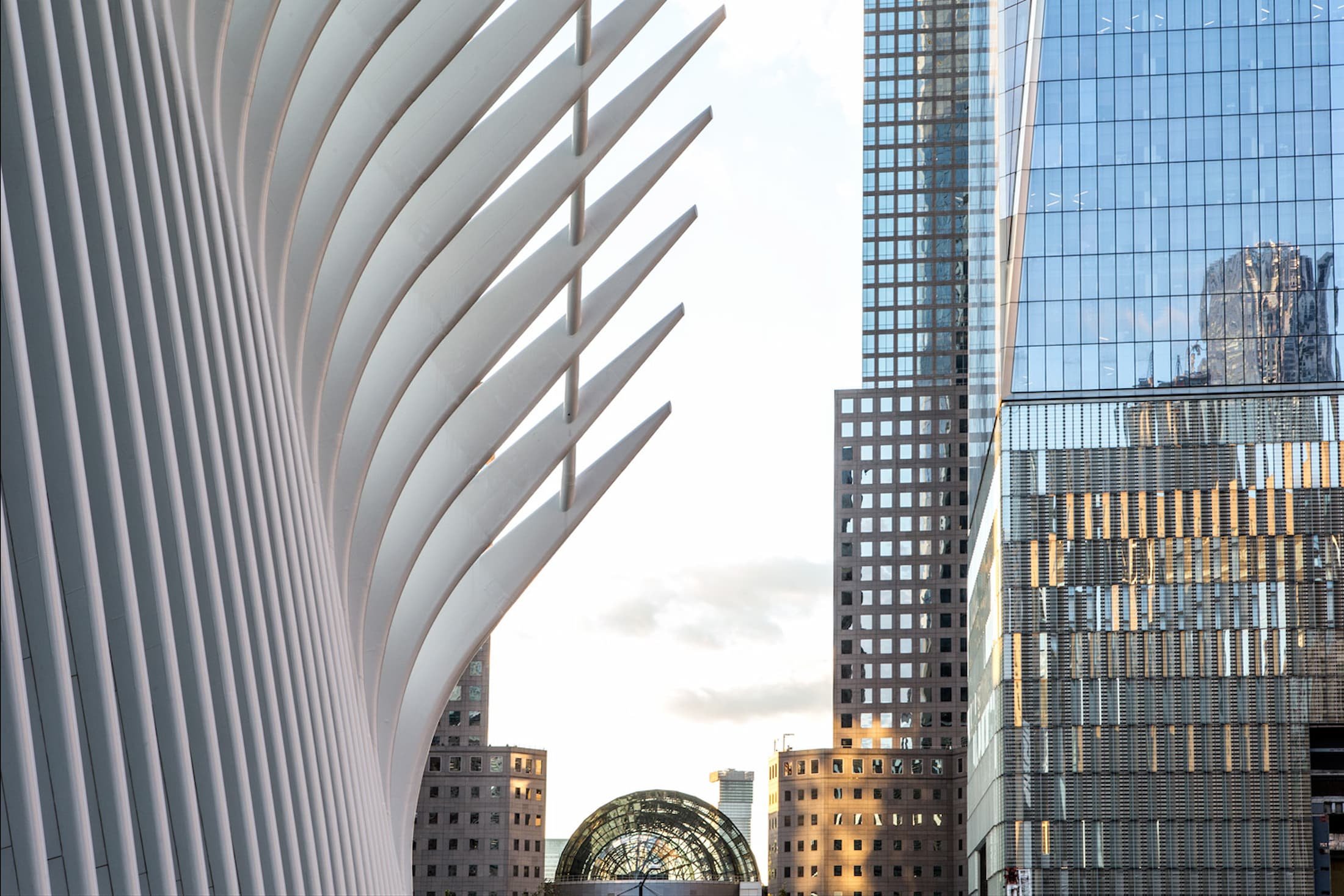
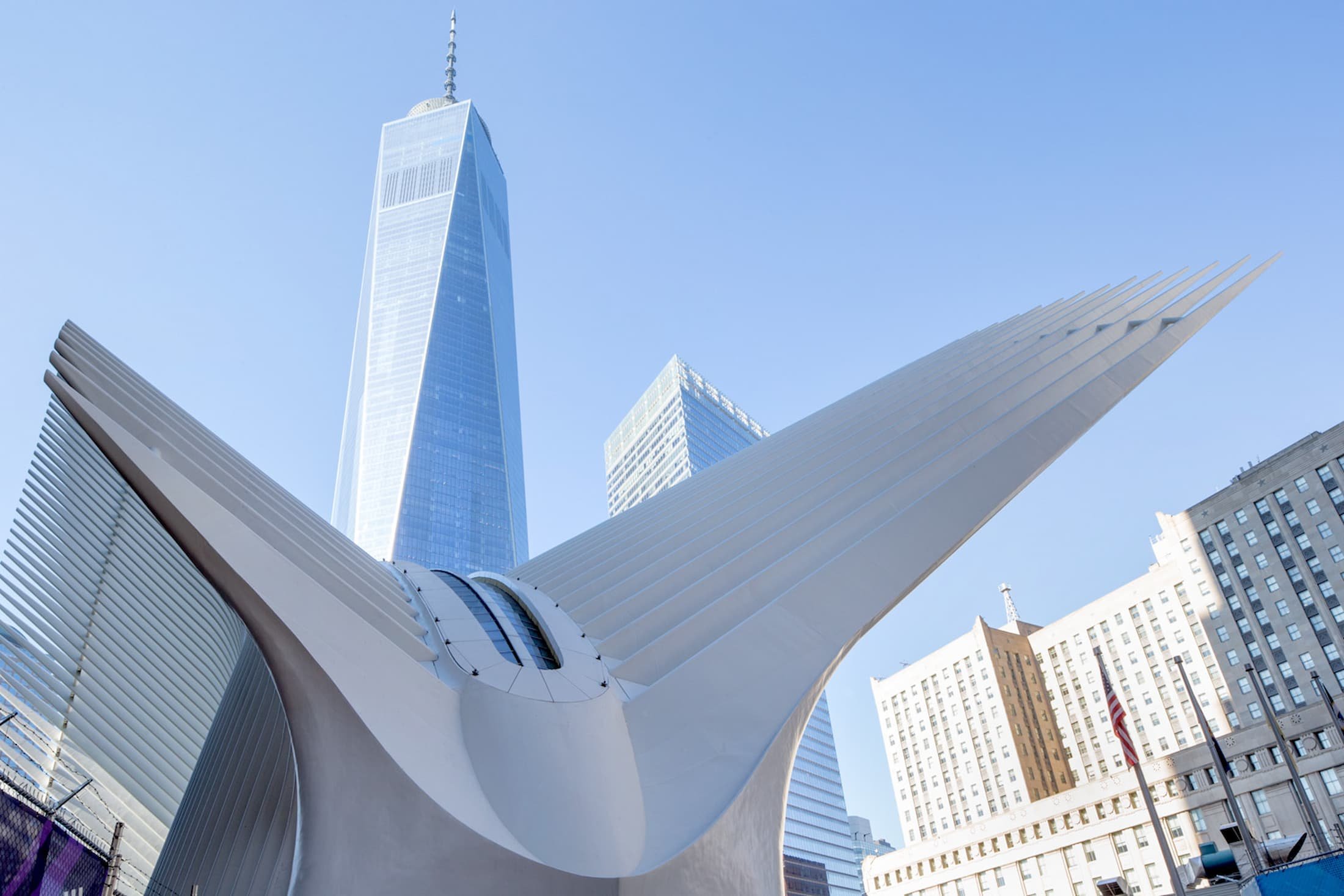
Iain’s portfolio includes the World Trade Center Transport Hub – one of many extraordinary projects he worked on as a chief engineer for Santiago Calatrava.
Never lose that skill: but will we?
For all the complexity inherent in Iain’s work as Santiago Calatrava’s Chief Engineer, one of his favourite moments is a simple and telling one.
‘Calatrava is brilliant at drawing, but he’s only got so many hours in the day,’ Iain begins.
‘One day we were in this Doha hotel room and he was trying to explain a design detail to an architect in Spain, who had no chance of understanding what he wanted over the phone. Sensing this could become frustrating, I doodled out what I thought he had in mind. He looked at the sketch, smiled and said: ‘Iain’s going to send you a picture — just do that.’’
‘When he hung up, he turned to me and said: “Iain, never lose that skill.”’
‘I’m not saying he couldn’t have drawn it in two seconds, but he didn’t have the two seconds so I could do it for him. That’s a really nice memory — and if we’re talking about AI, in essence it’s that kind of ability that’s in danger of being lost.’
‘Maybe we won’t lose that manual and conceptual skill entirely. But is it worth accepting some loss of that for the huge gains the other 99% gives us? That’s the question.’
Weighing up the positives and the 1% worry
Iain’s stellar career began in earnest in the late ‘90s, as drafting tables and manual drawing made way for the digital design revolution. Ever since, he’s been at the forefront of a tech odyssey that continues to redefine what’s possible – from the early days of CAD (computer-aided design) to parametric design, prefabrication, automation and now AI. Along the way, Iain has helped deliver many of Calatrava’s most striking, celebrated and seemingly impossible structures around the globe.
I ask whether he sees the evolution and uptake of tech tools and particularly AI as a 100% positive, linear ‘march of progress’ or more of a mixed bag? Like a true engineer, he breaks it down into exact figures.
‘I would say it’s 99% positive,’ Iain says. ‘If we roll back to the origins of this evolution, it’s important to remember that it hasn’t just been about architects and engineers. It’s equally about the software developers, some of whom were architects and engineers themselves. I'm thinking about Rhino by McNeil, Grasshopper, Catia and Frank Gehry’s Digital Project software for example.’
‘They made a huge difference in this equation, because the early CAD products were clunky. They had to be. You have to start somewhere. But very rapidly architects, even more than engineers, saw potential for drawing more interesting shapes and they really pushed the software. Developers were very happy to turn all of this into a much more adventurous toolkit. So for me, that’s 90% of the 99% positive.’
‘The other 9% is accounted for by the mechanical, structural and electrical engineers and quantity surveyors who realised these tools could handle the mathematics, plus the calculations and models for assessing much more complicated buildings. That led to things like Karamba, where the computer could suggest options to increase efficiency or decrease costs by using less metal or concrete, for example. That was the first glimmer of AI. And pushes us towards that 99%.’
‘Now the 1% is obviously the worry,’ Iain says. ‘That represents the risk that the very human ingenuity and sense of what could be the next step — which has ultimately driven all of this progress — might be lost if computers do too much of the thinking.’
‘We should never lose the human initiative to design and create. That’s what created AI and all the preceding tools, and of course all of our most important structures around the world. We need that balance.’
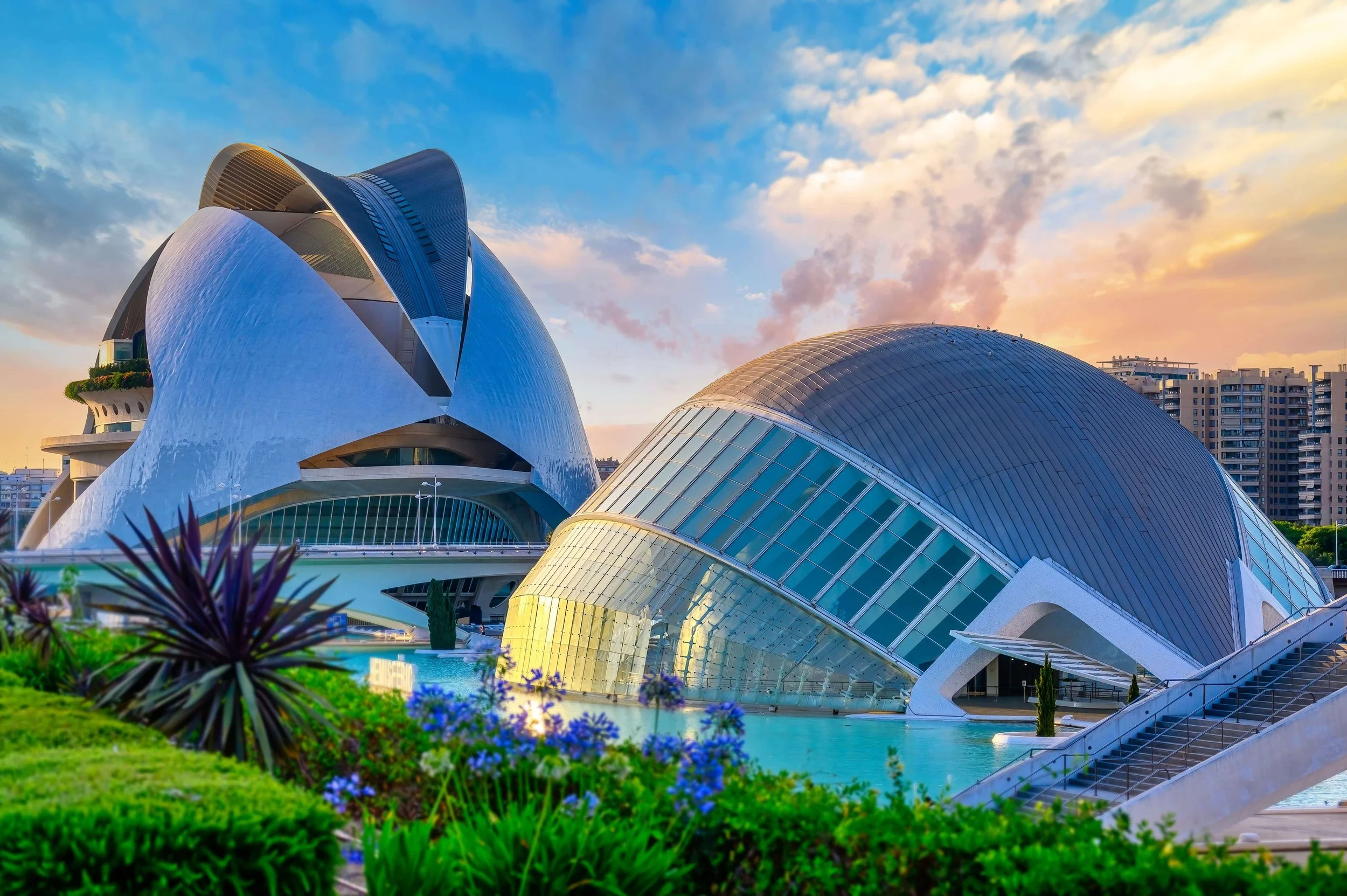
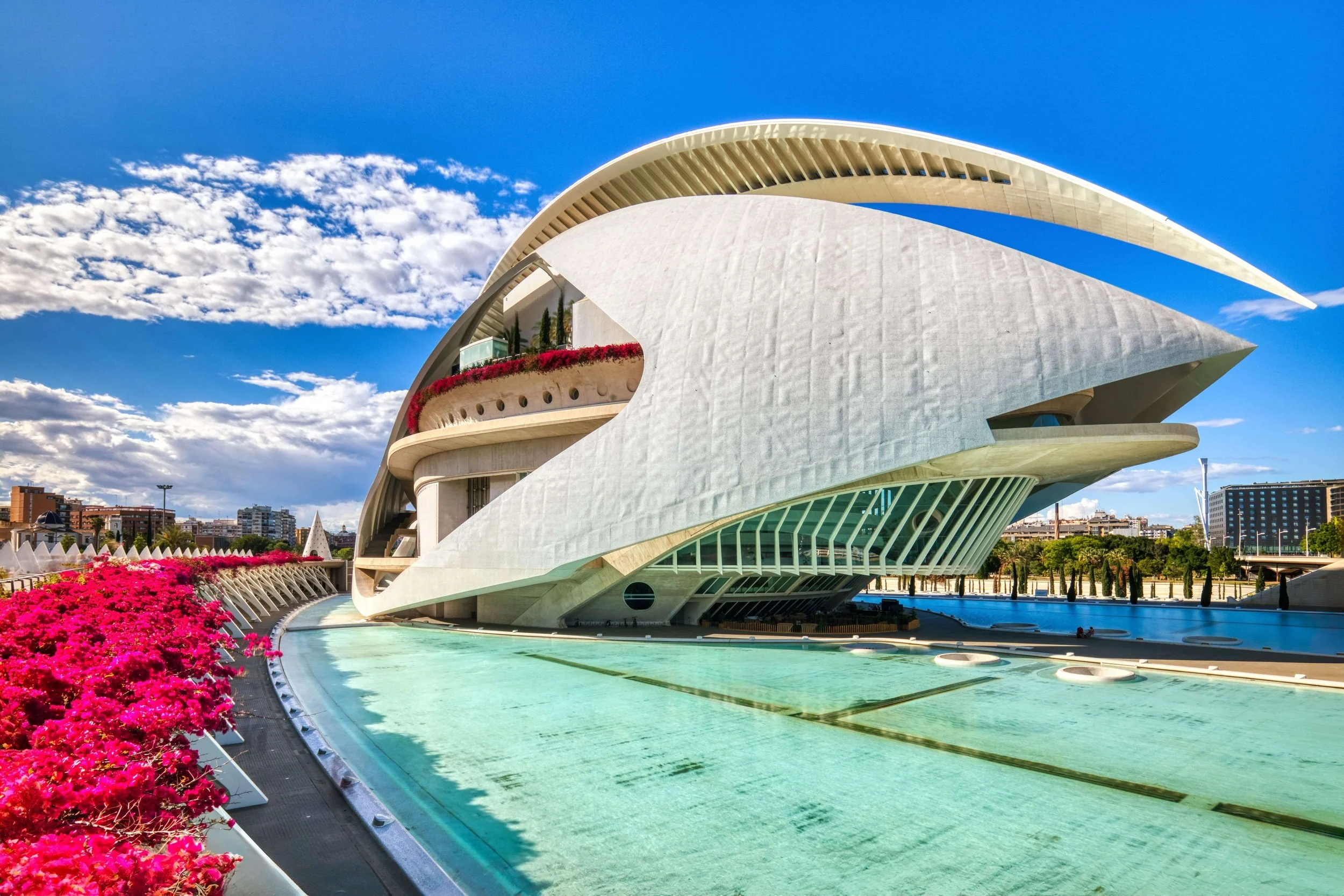
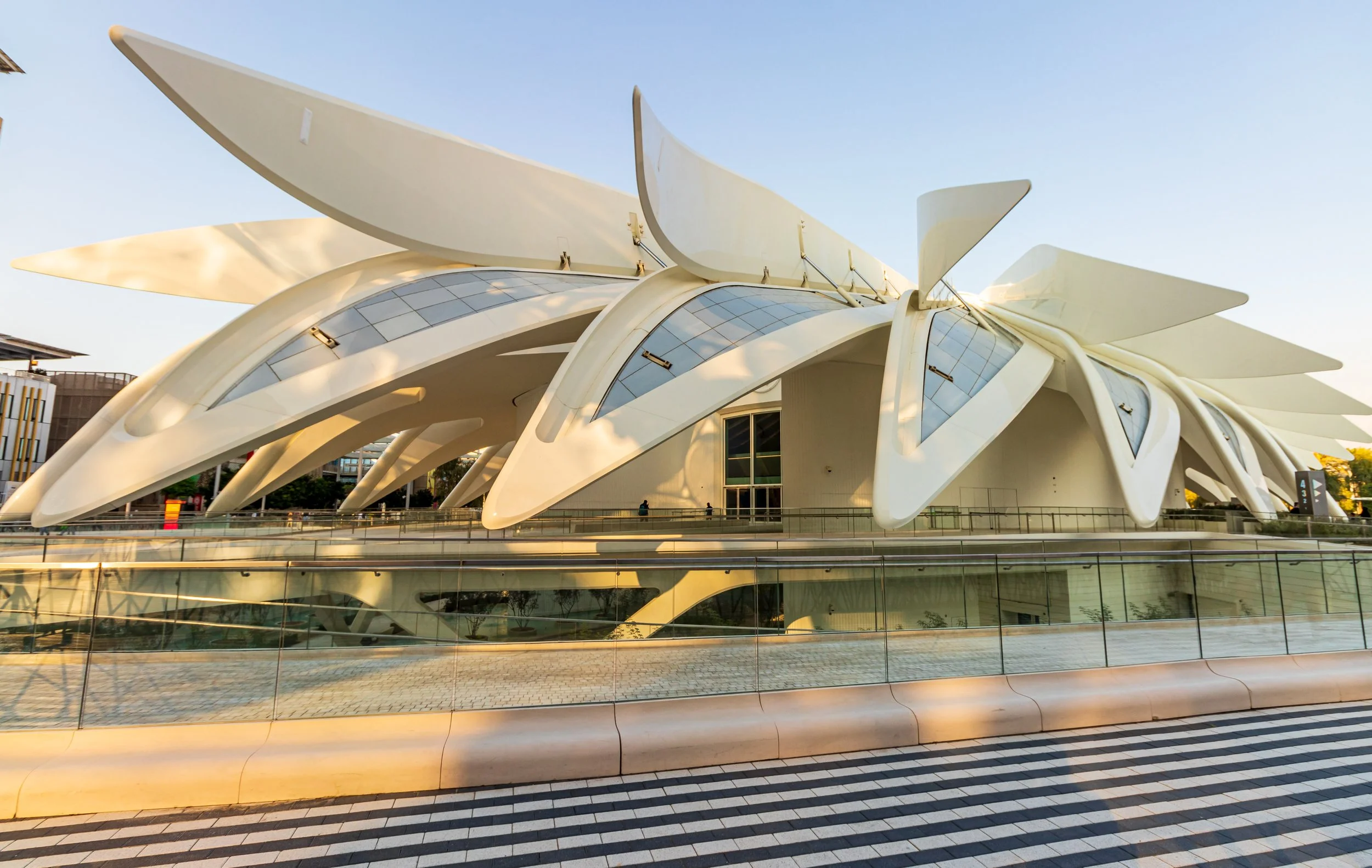
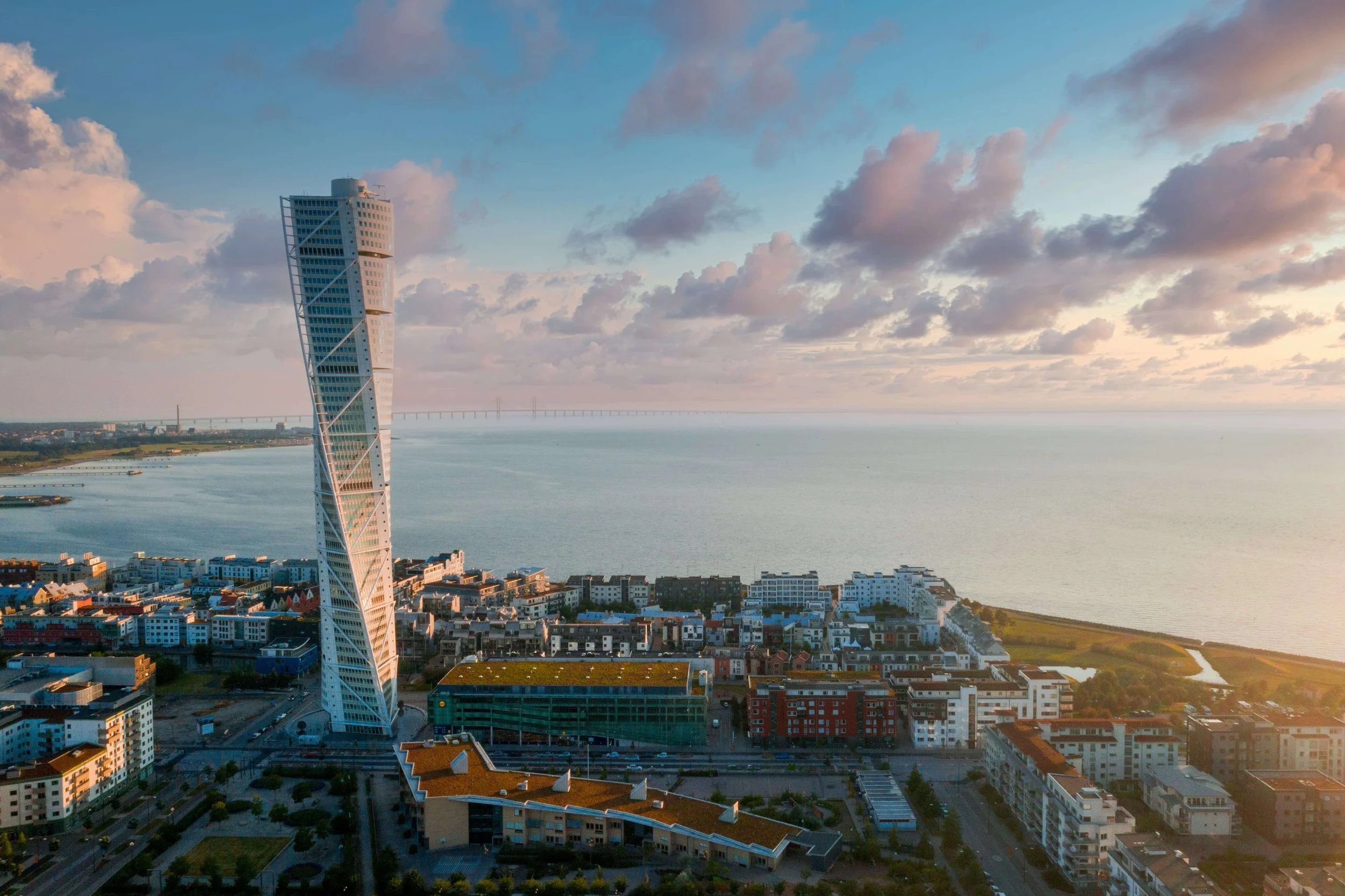
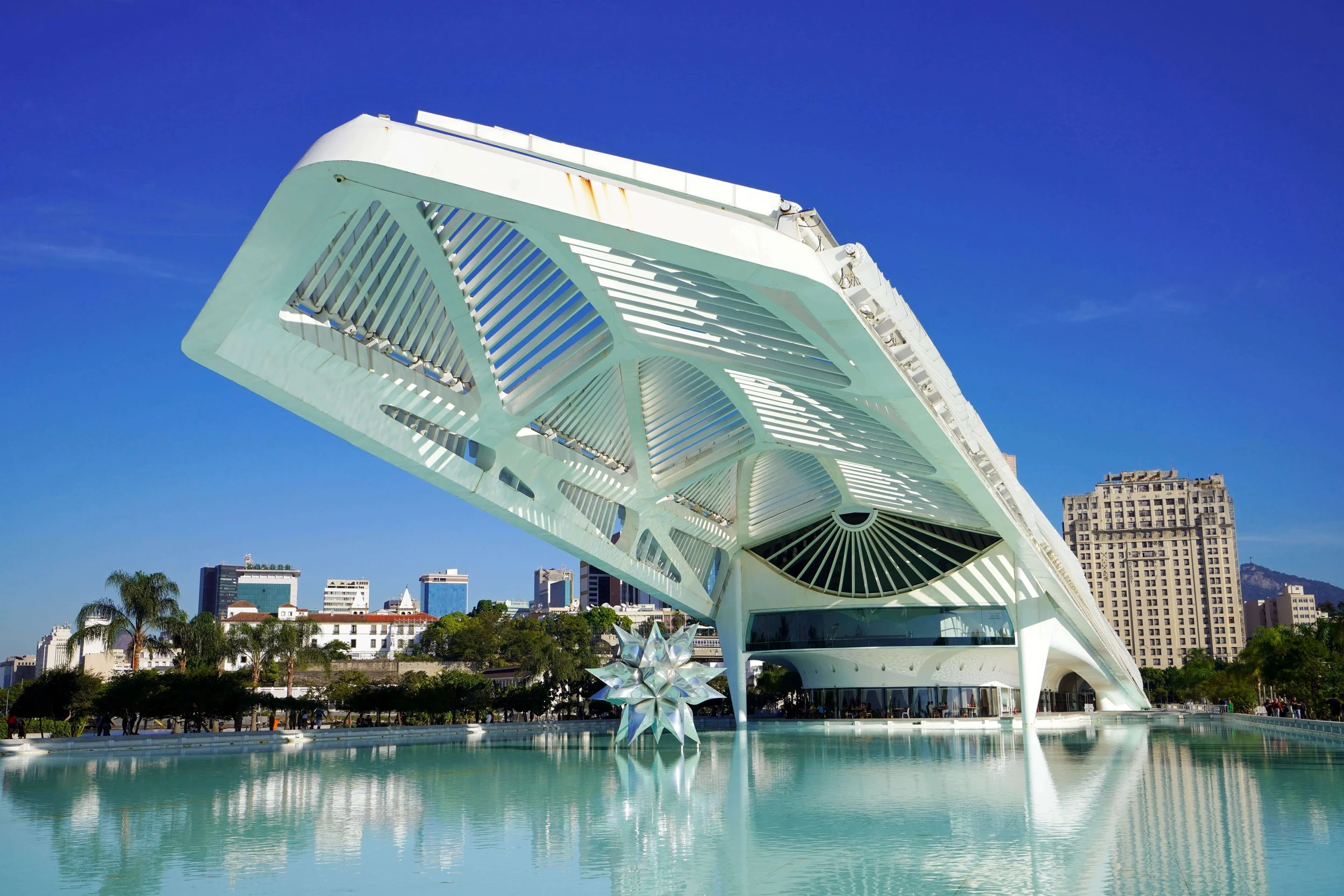
Some of the structures Iain sketched on the dusty window of the Corner Hotel… sea creatures, birds’ wings, the turning torso.
Art vs automation: can’t we have both?
Calatrava once said: ‘With an adequate combination of force and mass, you can create emotion.’ I wonder aloud to Iain if part of the emotion the likes of Calatrava or Gaudí evoke actually stems from our sense of wonder and disbelief that any human could firstly even imagine – then secondly somehow bring into being – these structures that appear to defy all odds and conventions.
So if future art and design is predominantly AI-generated or has much less of the human hand, mind and spirit behind it, will our deep appreciation of it be diminished? Say if an inspired bot was behind the Sagrada Familia, would it spark the same wonder?
‘Well let’s start with the easy bit,’ Iain says. ‘Plenty of architects aren’t artists and that’s absolutely fine. You don’t need an artist to design your garage extension. You do need one to design an opera house.’
‘You mention Gaudí and Calatrava, but you could also have mentioned Zaha Hadid or Frank Gehry as renowned artists from the last two decades who worked on large-scale civil projects with the ability to evoke reactions in people — that moment of wonder. That won’t be lost.’
‘Digital tools have only expanded what’s possible in the hands of artists, architects and engineers, and that’s set to continue. We have far more opportunities to test in virtual reality. We can gauge costs and feasibility more quickly and accurately, and there’s a faster turnaround in assessing whether a structure can be built at all. So there are lots of positives — provided there’s always a place for the human artist at the top of that tree.’
Then he turns to what he calls the ‘more uncomfortable truth’.
‘Around 90% of what gets built falls into a category where you could easily put a grid over it: offices, schools, aged-care homes, prisons, student accommodation, hotels. Go one level down into how the rooms are laid out — the good ones also follow a very clear logic. You can add curves, but fundamentally it’s systematised. If it can be systematised, it can be automated, undoubtedly by an AI tool.’
‘Think of the IKEA kitchen configurator that’s been around for decades. It's a kit of parts with a systematised way of placing things onto a plan. The leap from that to tools for entire buildings is already happening. Lots of engineering, architecture and construction offices are using this technology for systematised buildings.’
‘I am a proponent for automation and standardisation improving this 90%. But I’m certainly not a proponent for AI becoming the creative engine that then supplants the other 10% of our built environment.’
‘I don’t like the idea that a new generation might accept: OK, I want to build a house on my palm-fringed plot in San Francisco so I’ll push a button and some huge white creation with curves pops out and they say: oh yeah, I’ll have option number two.’
‘It’s the potential extent of the creative ability of AI that’s concerning. If it becomes capable of generating independent ideas or improving on what it’s given, will that eat away at what it means to be human? That is worrying, and it’s not where I want to see things go. That would represent a full stop for artistic development. And for new ideas. I’d hate to see a generation grow up that accepts that.’
‘What I do want to see is for example, a student staying in an accommodation block that’s affordable, energy efficient and quick to build because it can be systematised. The student doesn’t care whether they live in a box-shaped room — and that’s fine. Provided that same student can then go and learn in a lecture hall designed by some incredible architect with real artistic abilities. They can absorb that and become the dreamer who imagines the next lecture hall or opera house or airport.’
‘I want that for my child, and for other people’s children. That’s really important. And I wouldn’t wish to curtail their ability to develop new incredible tools to achieve it.’
I ask Iain about what he thinks will spark the imaginations of future generations, given their lives will be much further removed from the natural world and manual skills and traditions that shaped artists and art for centuries. Will they just ask the next iteration ChatGPT for design ideas?
‘I’m a bit concerned by that,’ Iain says. ‘But then again, doesn’t every generation go through their own version of this? When we were younger, there was this whole thing about music when people started to use synthesizers and computers to lay tracks one over another to make rave and techno music. Our parents thought it wasn’t real music. But younger generations were adamant that using a new tool to create something new and interesting was valid.’
‘The same thing happened when computer-aided drafting came in. Architects were saying it was just going to draw straight lines and dumb down architecture. But it didn’t. The next generation of architect–software-development teams created tools that could make much more complicated geometries instead. That then freed them to do more grandiose and interesting work than their predecessors had been able to do.’
‘So the glass half-full version of me wants to think that while AI may look scary to some of us, maybe for our children’s generation it looks like an opportunity. It looks like the means to skip forward another step. To create something we couldn’t possibly imagine today.’
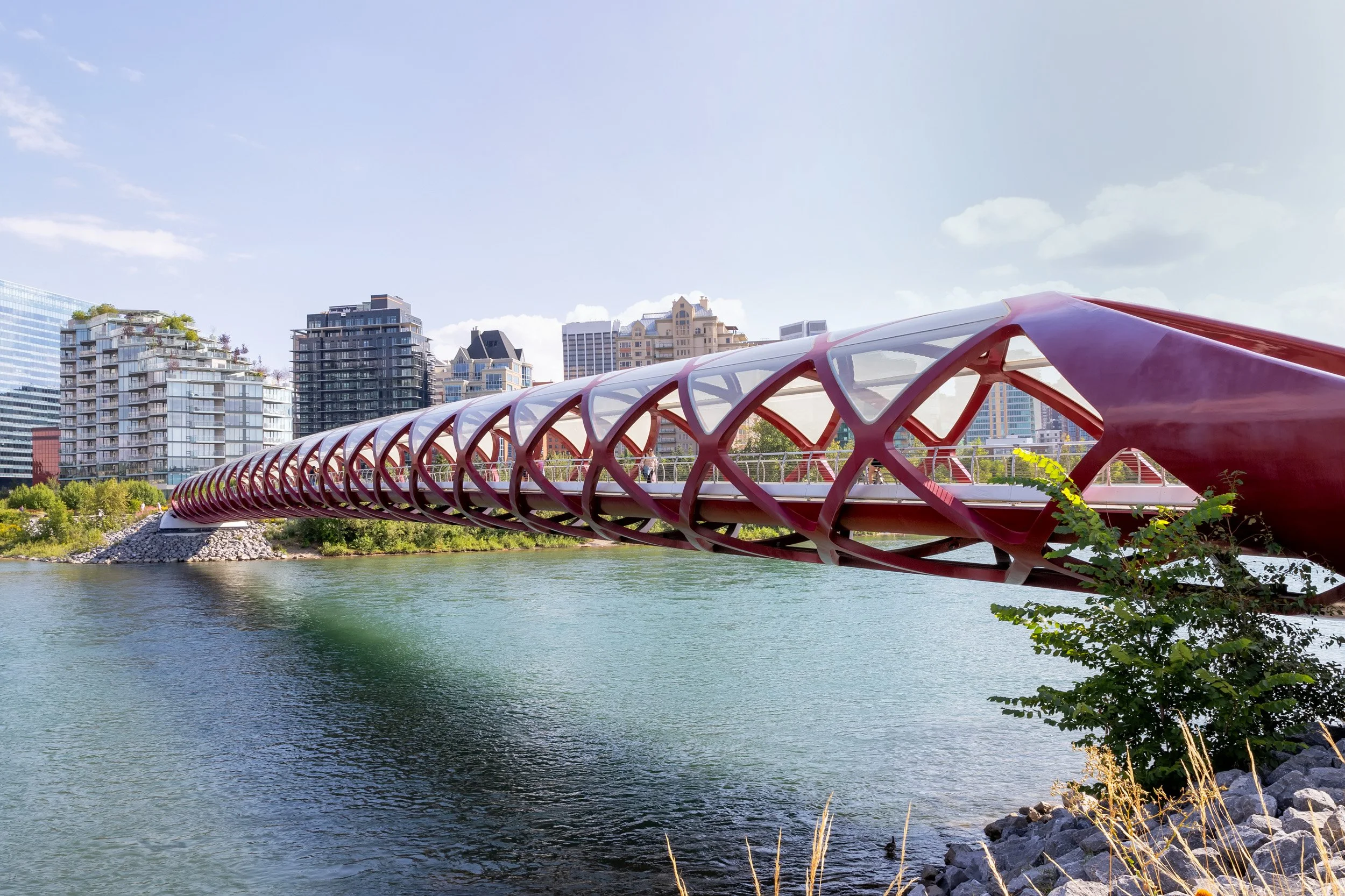
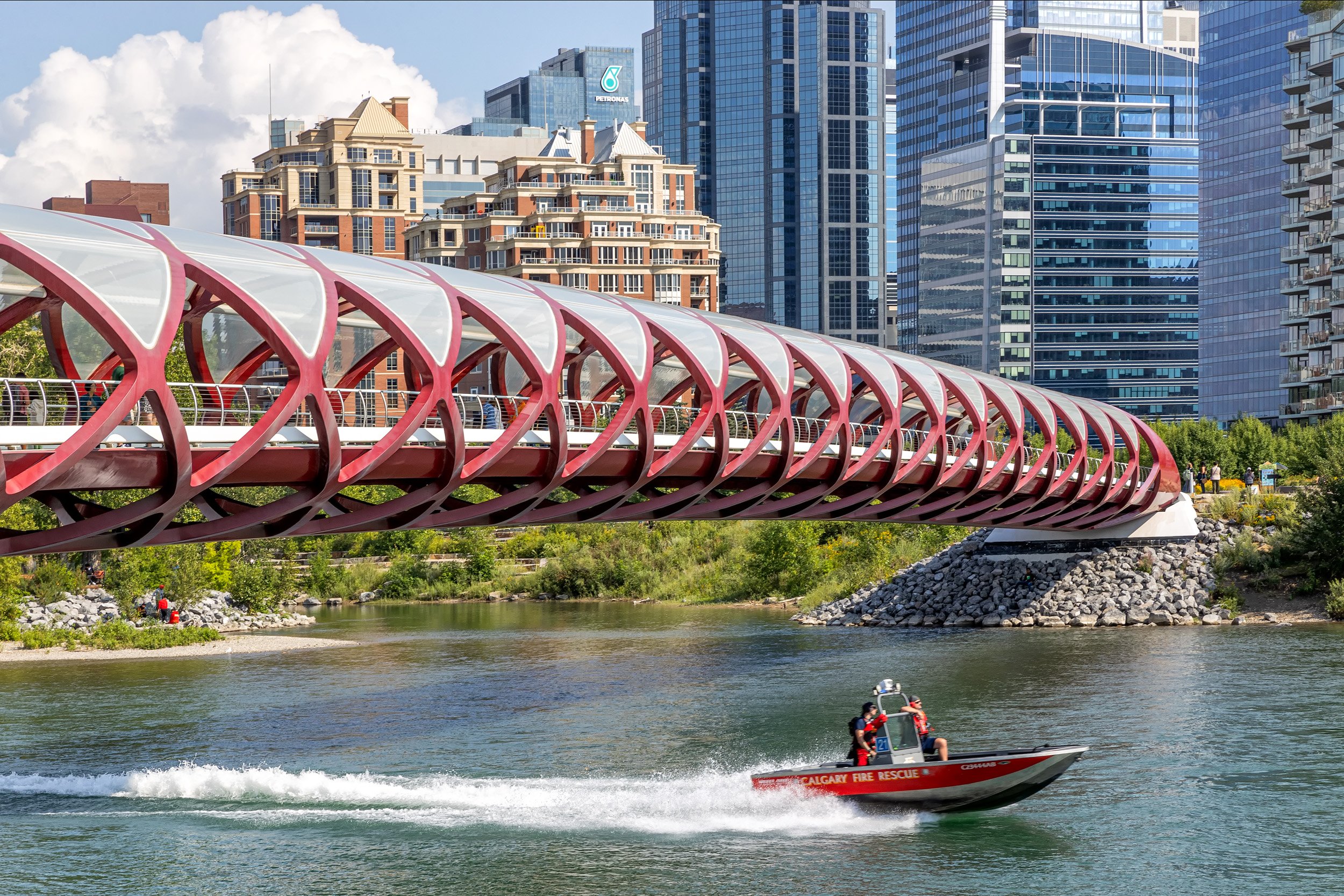
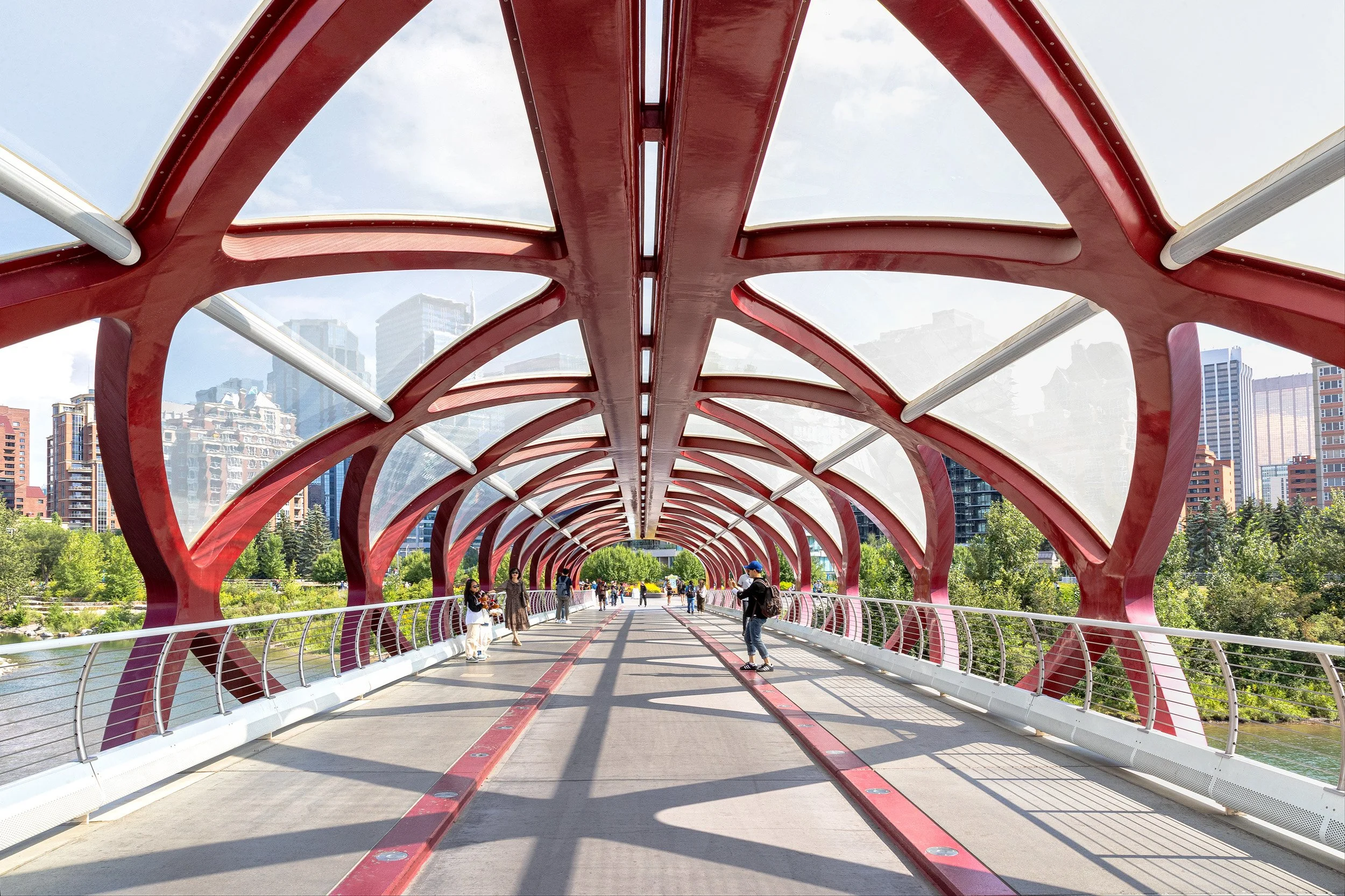
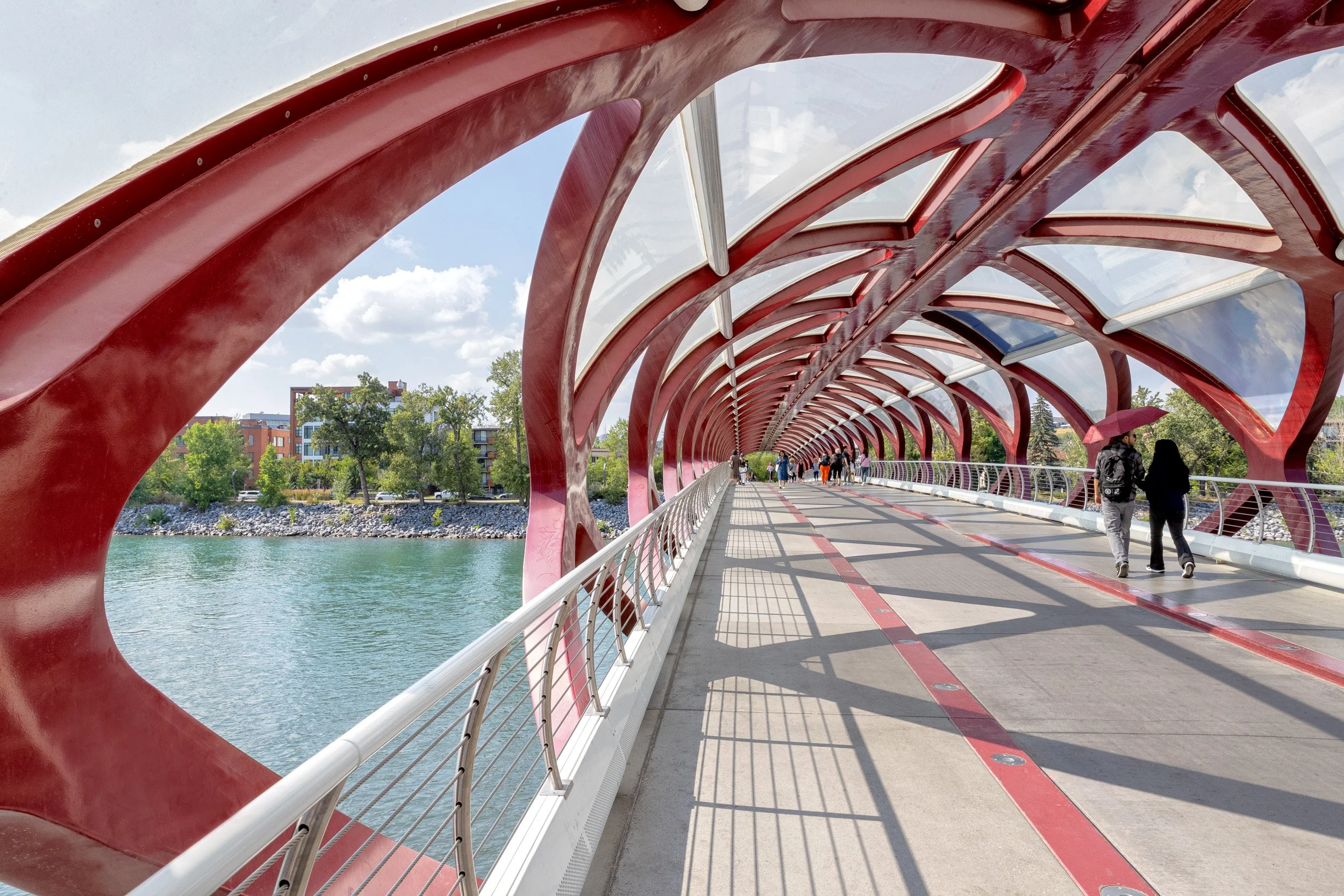
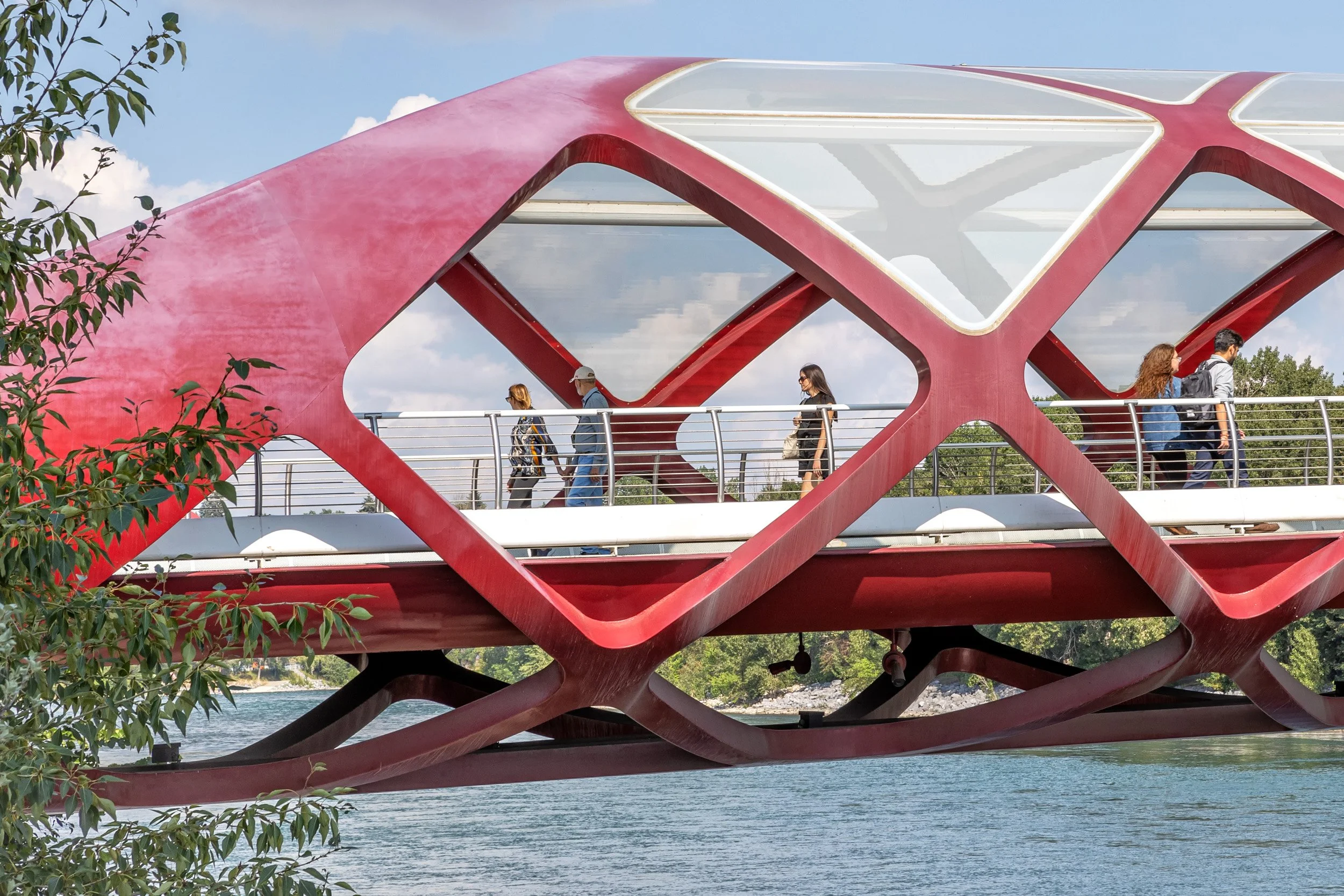
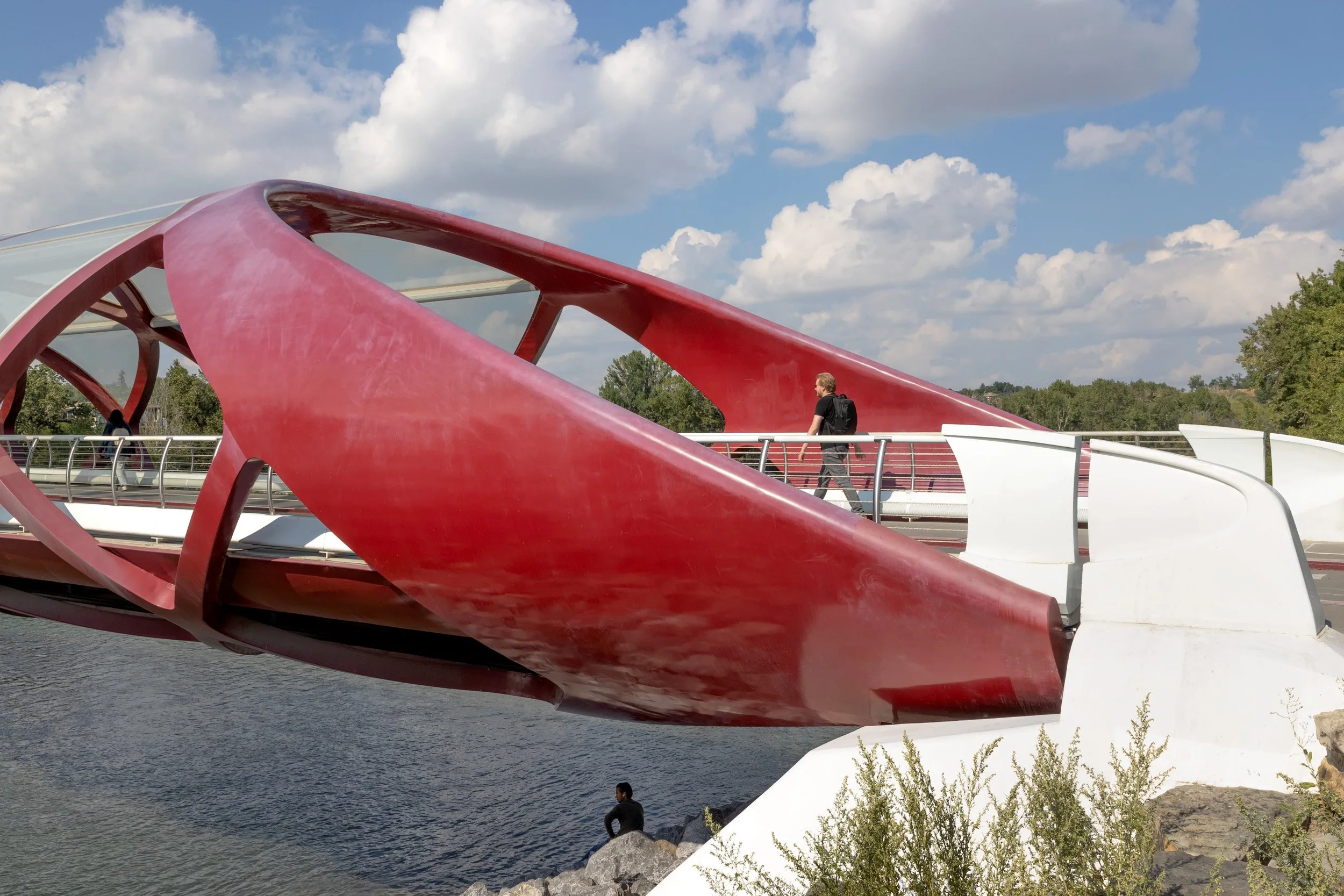
Iain doesn’t stop at buildings... Here’s the award winning Calgary Peace Bridge in Calgary, Canada.
© All photos by Danica O. Kus
The next difficult thing: Sustainability solutions at scale

Iain is right at home with the robots in the GROPYUS smart factory.
In 2020 Iain himself took something of a step into a world unimaginable even five years ago. As an expert at GROPYUS, otherwise known as Germany’s hottest building start-up, he joined a team of architects, engineers, industrial designers and software developers intent on solving today’s most intractable housing and sustainability issues using AI and automation.
‘I swapped one interesting, difficult thing for another interesting, difficult thing,’ Iain says. ‘And again, found another group of wonderful, talented people who want to make a real difference. The co-founders of GROPYUS came to construction from the very different world of tech, with the singular goal of providing affordable, sustainable building solutions in the form of prefabricated timber apartments. They genuinely wanted to do something good with the money they made in tech.’
‘Since then, they’ve invested serious amounts of money by anyone’s reckoning, developing the infrastructure and AI-driven systems to deliver on that goal. We have an automated smart factory with a 750-metre production line where robots cut timber, nail and screw assemblies together and load panels onto trucks. We use AI to help position and place those panels on sites across Europe.’
‘The most interesting aspect to me is what’s called vertical integration,’ Iain explains. ‘This basically means we design our buildings, manufacture them, deliver them, build them, make them watertight and airtight and hand over the keys to the owner or tenants and even maintain them afterwards. This is real life delivery of something fundamentally good. Using the most advanced tech and tooling to do so.’
‘And it’s not all just about AI and automation,’ he adds. ‘There’s an artistic challenge we’re interested in here too: How can you make something standardised and automated beautiful? It’s early days for us, but our architects are deeply interested in finding the answer to that.’
But as Iain acknowledges, attempts at industry-wide transformation in construction continue to come up against seemingly insurmountable challenges. The collapse of prefab unicorn Katerra is the most commonly cited cautionary tale, underscoring as it does the regulatory, cultural and financial obstacles that stand in the way of innovation and change, on and off site.
‘It’s incredibly challenging to build momentum inside the construction industry,’ Iain says. ‘There's lots of reasons why it's difficult to effect change, but essentially it comes down to three things: time, scale and money.’
‘Real change doesn’t happen overnight, and in this case it will take rather a long period of time. And it costs a lot of money to operate at a large enough scale. That requires commitment and acceptance of risk. And frankly, governments that change every four years don’t like risk. Large contractors working on five-percent margins don’t like risk either — why should they?’
‘But the ability to scale is critical. Building one beautifully sustainable timber hut is meaningless. You need a million of them. Only then do your material, logistics and supply chains shift. And once they shift, they don’t shift back.’
‘To achieve this, governments would have to fund real efforts with real numbers. A million Australian dollars wouldn’t touch it. A hundred million probably wouldn’t touch it. A billion might start the ball rolling. Because you’re talking about putting men and women to work for months or years to build the kind of infrastructure that actually generates change.’
Policy settings matter. Technology alone can’t deliver the structural changes needed to meet sustainability goals, especially in construction.
‘AI will certainly improve things like predictive maintenance, and time and cost overruns because architects, engineers and builders won’t just be guessing. They’ll actually have the data and tools to access the right answers,’ Iain says. ‘But in some ways, there lies the rub right?’
‘Your neighbours in Sydney would never have signed the contracts to build the Sydney Opera House had they known it was going to take two decades to complete. But you talk to Australians today and say, “It’s rather good that you’ve got the Sydney Opera House, isn’t it?”’
‘These kinds of projects weren’t just technically complex. They were the result of human will, commitment and stubbornness. Unfortunately if you remove all the uncertainty, you’ll inevitably remove some of what’s most valuable too.’
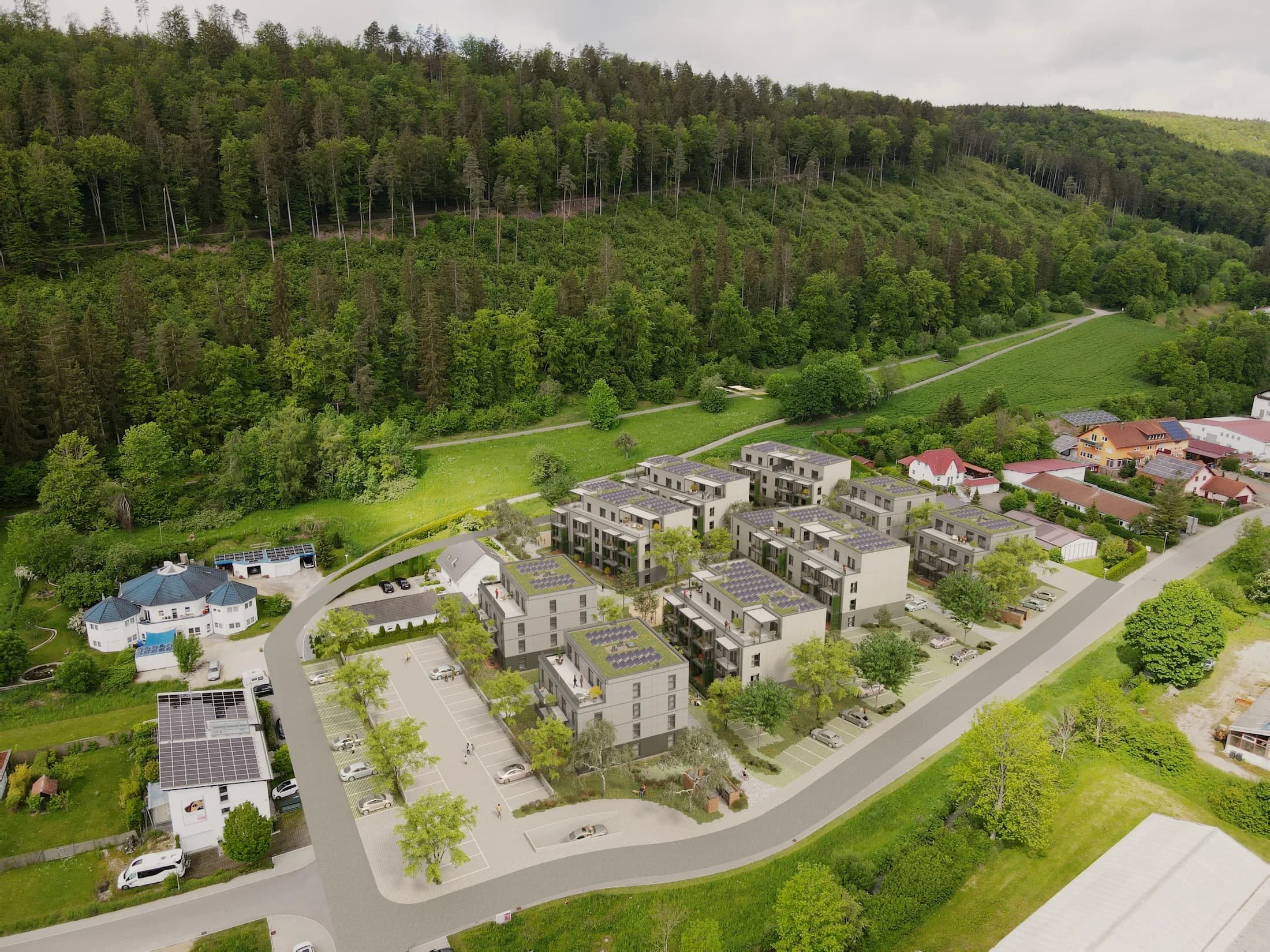
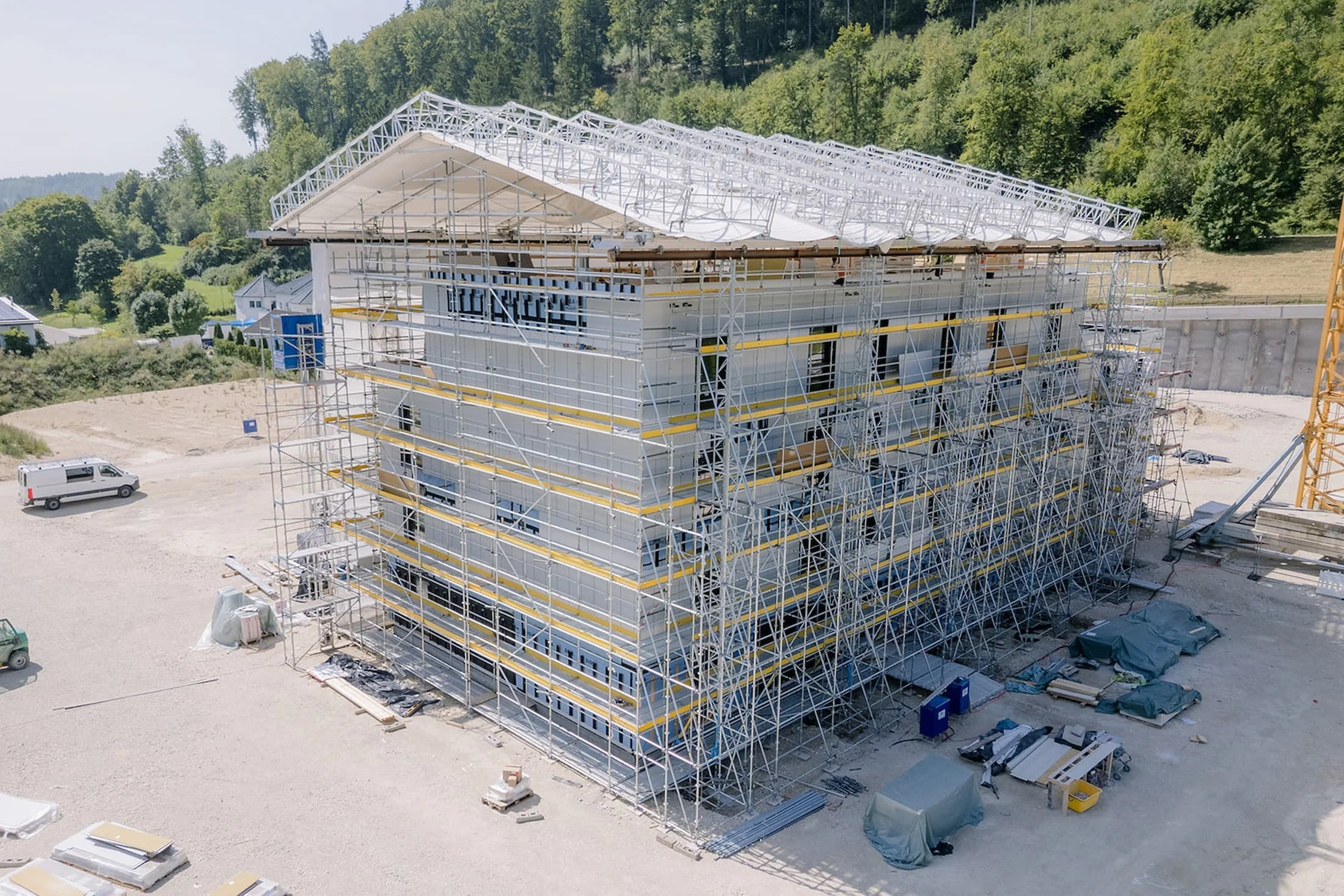
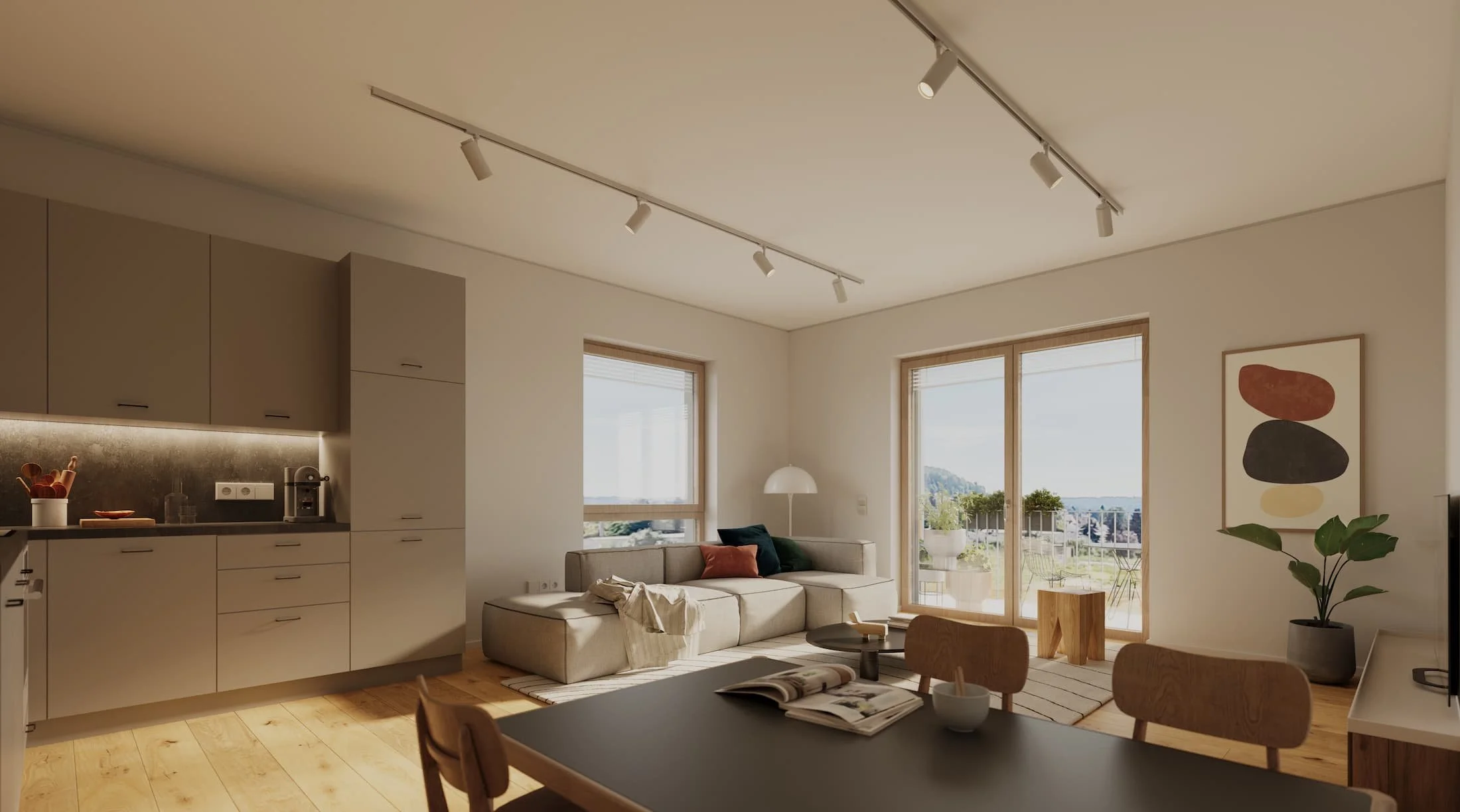
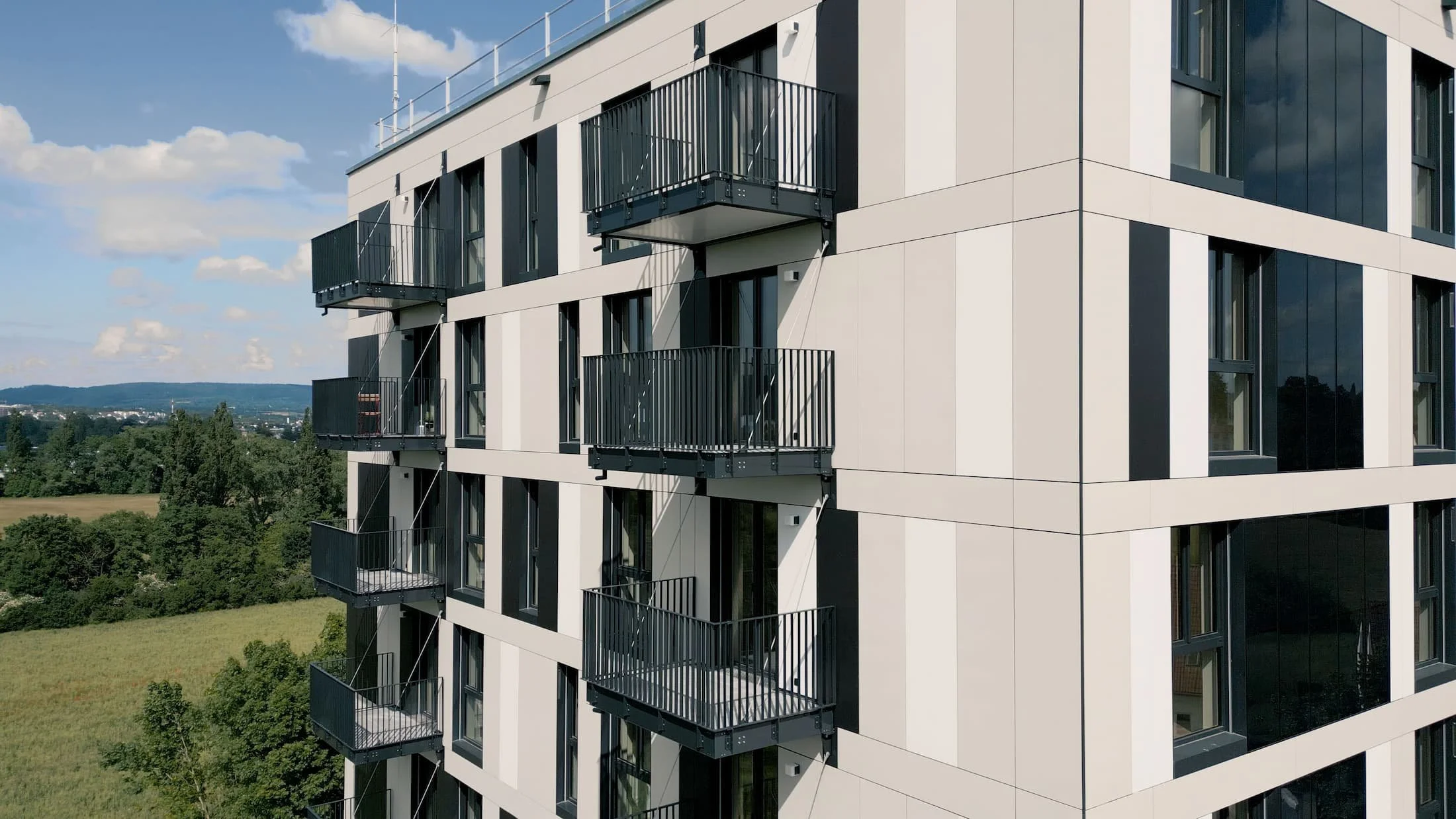
GROPYUS sustainable prefabricated timber apartments - outside, inside and under construction in Germany
Forecasting the future: the search for elusive answers
Having all the data and answers and predictive tools seems to make it much less likely we’ll be rolling the dice and defying the odds design-wise, especially if AI is there telling us not to. I mention a recent article by Charlie Warzel in The Atlantic (tellingly titled A Tool That Crushes Creativity) that summed up this conundrum perfectly. He writes:
‘Generative AI is disruptive, is transformative, and is reducing friction, but the economic incentives for using it are geared far less toward supercharging human potential and much more toward producing abundant slop.
This is tragic. The loss of friction deprives people of something crucial. What happens between imagination and creation is ineffable—it entails struggle, iteration, joy, and frustration, disappointment, and pride. It is the process through which we enact agency. It is how we make meaning and move through the world. To lose that, I fear, is to capitulate on our very humanity.’
I put it to Iain that reading this, it’s hard not to think we have much more than that 1% to worry about.
He replies with an unexpected analogy from the ‘90s, which is both funny and strangely apt.
‘I’m being a bit facetious,’ Iain laughs, ‘but you remember Bill and Ted’s Excellent Adventure, when Beethoven gets dropped into the 20th century and finds a super high-end Yamaha synthesiser in the mall? He’s pressing the buttons — violins, bass, string section, brass section — and suddenly he’s free. He thinks: “I don’t need 40 humans who’ve trained for 20 years to play violin, I can just do it with my left hand. Perfect! I’m going to make a new symphony.”’
‘So I think AI could be this kind of freeing agent in some cases,’ Iain says. ‘But hopefully the great artists and thinkers will develop the next version of AI and the next series of incredible buildings designing and creating as they always have. This time round being enabled by AI, not dominated or hindered by it.’
Iain himself has observed first-hand the rare alchemy of one of today’s greatest artists and thinkers. I can’t help but wrap up our conversation by asking quite simply what it’s like to work with someone as brilliant as Santiago Calatrava. Will we see the likes of him again, given how rapidly the world has changed since he began sketching with paper and pencil?
‘Well imagine yourself as a candle,’ he says. ‘Then imagine someone who's burning a light so bright you can hardly look at it. All the time.’
‘To keep up, the list of things you had to think about and the problems you needed to solve sometimes seemed endless. You could see the light at the end of the tunnel, but the faster you ran the light just seemed to move with you.’
It feels like we’re in a similar situation with AI now. And what’s at the end of that tunnel is anyone’s guess.
Many thanks to architectural photographers Danica O (Danica O. Kus | @danica_o_kus_photography) and Oliver Schuh (palladium.de) for the beautiful images they generously shared for this profile.
As a freelance writer/strategist, I share complex concepts, ideas and insights along with stories from the extraordinary people behind them.
If you’re interested in working together, feel free to contact me.
